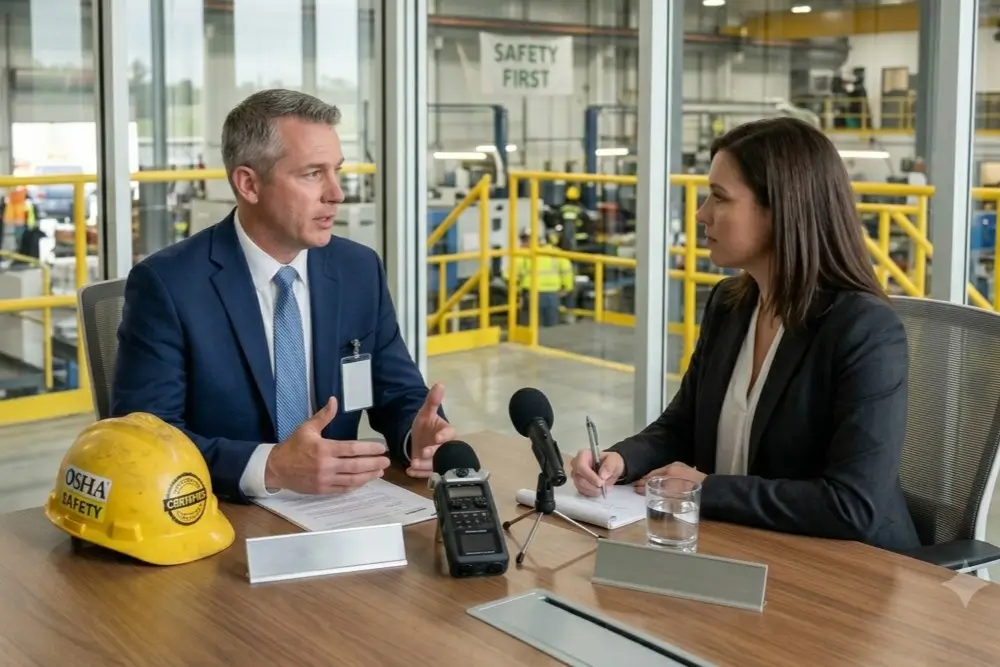
When OSHA conducts a workplace inspection, employee interviews are often one of the most important parts of the process. While inspectors review safety records, observe work areas, and evaluate compliance with regulations, they also speak directly with employees to gain a clear understanding of daily workplace conditions and safety practices. These interviews provide valuable insight into whether safety programs are effectively implemented and whether employees understand the procedures designed to protect them from workplace hazards.
Employee interviews help OSHA assess a company's overall commitment to workplace safety and compliance. Through these conversations, inspectors can verify that employees have received proper training, understand emergency procedures, know how to report hazards, and consistently follow established safety protocols. Preparing employees for an OSHA interview is an important part of maintaining inspection readiness.
In this guide, we will explore how employers can effectively prepare their workforce for OSHA interviews by promoting a strong safety culture, providing ongoing training, conducting practice sessions, and ensuring employees understand their rights and responsibilities during an inspection. By taking a proactive approach, organizations can help employees feel confident and informed while demonstrating their commitment to workplace safety and regulatory compliance.
Understanding OSHA Interviews
What Are OSHA Employee Interviews?
OSHA employee interviews are conversations conducted by inspectors during a workplace inspection to gather firsthand information about workplace conditions, safety practices, and compliance with OSHA regulations. These interviews may be conducted with individual employees, supervisors, or management representatives and help inspectors understand how safety policies are implemented in day-to-day operations. The information provided allows OSHA to compare documented procedures with actual workplace practices and identify any potential concerns.
Purpose of OSHA Interviews and Employee Rights
OSHA uses employee interviews to verify workplace conditions, assess employee knowledge of safety procedures, identify hazards or compliance issues, and evaluate the effectiveness of existing safety programs. During these interviews, employees have the right to speak privately with OSHA inspectors, provide honest and truthful information, and participate without fear of retaliation from their employer. Understanding these rights helps employees feel more confident and comfortable during the inspection process.
Preparing Before an OSHA Inspection Occurs
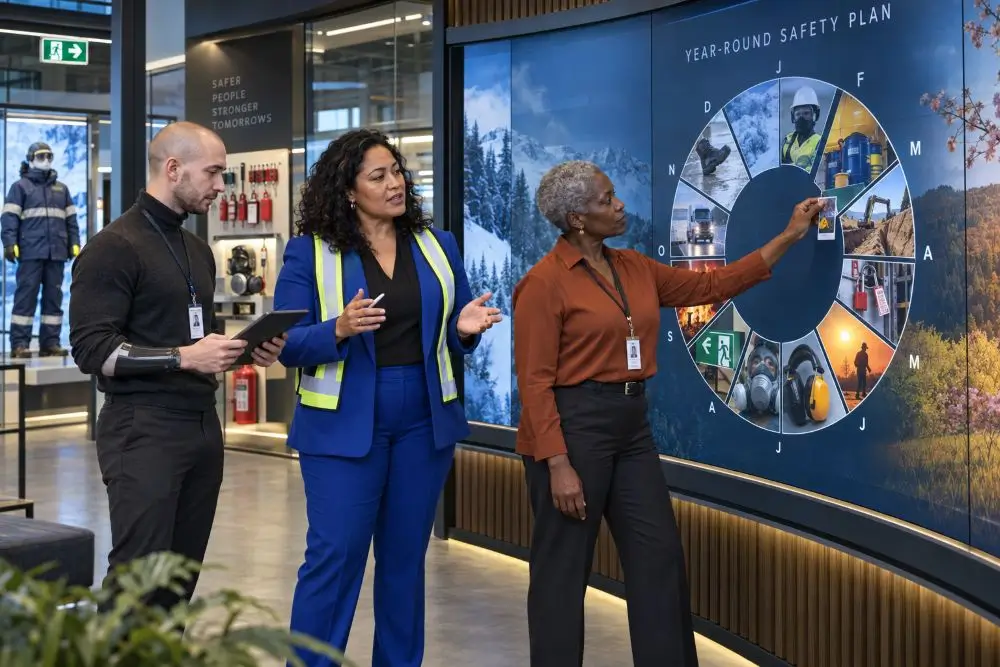
Effective preparation for an OSHA inspection begins long before inspectors arrive at the workplace. Organizations that prioritize safety year-round are better positioned to demonstrate compliance, reduce workplace hazards, and ensure employees are confident during inspections. By fostering a strong safety culture, providing regular training, maintaining accurate records, and conducting internal audits, employers can build a safer and more inspection-ready workplace.
Establish a Strong Safety Culture
A strong safety culture creates an environment where workplace safety is treated as a daily responsibility rather than an occasional requirement. Employees should understand that their health and well-being are a top priority and that safety expectations apply to everyone in the organization. Encouraging workers to report hazards, near misses, and unsafe conditions helps identify risks early and promotes active employee participation in maintaining a safe workplace.
Maintain Ongoing Safety Training
Regular safety training ensures employees remain knowledgeable about workplace hazards, company policies, and OSHA requirements. Training should include refresher sessions, job-specific instruction, and updates whenever new equipment, procedures, or risks are introduced. Employees should also receive emergency response training so they know how to react appropriately during incidents such as fires, chemical spills, or workplace injuries.
Keep Safety Documentation Up to Date
Accurate and organized documentation demonstrates an employer's commitment to workplace safety and regulatory compliance. Important records include employee training logs, written safety policies, inspection reports, and incident investigations. Keeping these documents current and easily accessible can help support compliance efforts and provide evidence of safety program implementation during an OSHA inspection.
Conduct Internal Safety Audits
Internal safety audits help organizations identify potential hazards and compliance issues before they become serious problems. Regular inspections enable employers to assess workplace conditions, verify that safety procedures are being adhered to, and address deficiencies promptly. Reviewing operations against OSHA standards also helps ensure the organization remains safe and prepared for an official inspection.
Preparing Employees for OSHA Interviews
Employees should understand that OSHA interviews are conducted to evaluate workplace safety conditions, verify compliance with safety regulations, and assess how effectively safety programs are implemented. Explaining the purpose of these interviews helps reduce uncertainty and allows employees to approach the process with confidence while providing honest and accurate information.
Employers should also ensure employees are familiar with key workplace safety programs, including hazard communication, personal protective equipment (PPE) requirements, emergency procedures, and incident reporting processes. In addition, employees should clearly understand their daily safety responsibilities and any department-specific procedures relevant to their roles, enabling them to answer questions accurately and demonstrate their knowledge of workplace safety practices.
Key Topics Employees Should Be Familiar With
Employees participating in an OSHA interview should have an accurate understanding of the safety practices, procedures, and responsibilities associated with their work. OSHA inspectors often ask questions to determine whether employees are aware of workplace hazards, understand company safety policies, and know how to respond to emergencies or report safety concerns. Ensuring employees are knowledgeable about these key topics helps demonstrate the effectiveness of the organization's safety program and promotes a safer work environment.
Essential Knowledge Areas
- Workplace Hazards
- Safety Policies and Procedures
- Emergency Preparedness
- Personal Protective Equipment (PPE)
- Incident Reporting Procedures
Conclusion
Preparing employees for OSHA interviews is not about coaching responses but ensuring they have a clear understanding of workplace safety practices, procedures, and responsibilities. Employees who are knowledgeable about workplace hazards, safety programs, emergency procedures, and reporting requirements are better equipped to answer questions confidently and accurately during an inspection.
Organizations that prioritize ongoing safety training, maintain open communication, and foster a strong safety culture are more likely to demonstrate compliance and readiness when OSHA conducts an inspection. By investing in continuous education and preparation, employers can not only improve interview readiness but also create a safer and more safe workplace for everyone.