OSHA Outreach Training, a voluntary program by the Occupational Safety and Health Administration (OSHA), is designed to educate workers about occupational hazards and ways to prevent them.
While the program provides essential foundational knowledge, the question arises: Is OSHA Outreach Training enough to significantly reduce workplace accidents? The effectiveness of OSHA Outreach Training, its limitations, and what organizations can do to enhance workplace safety are explained here.
What Is OSHA Outreach Training?
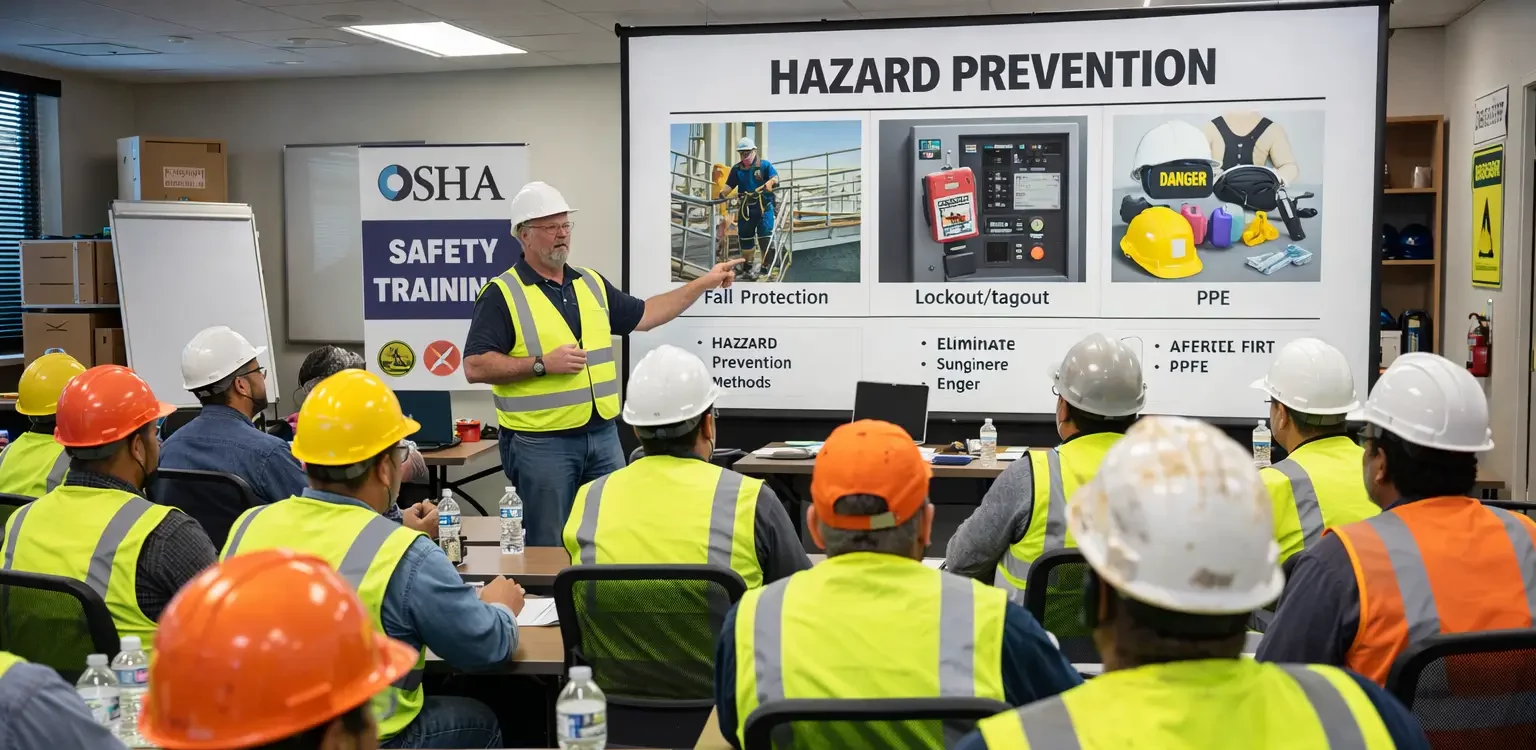
OSHA Outreach Training is a well-established program aimed at promoting safety awareness among workers and employers. It includes the OSHA 10-hour course, targeted at entry-level workers, and the OSHA 30-hour course, designed for supervisors and managers.
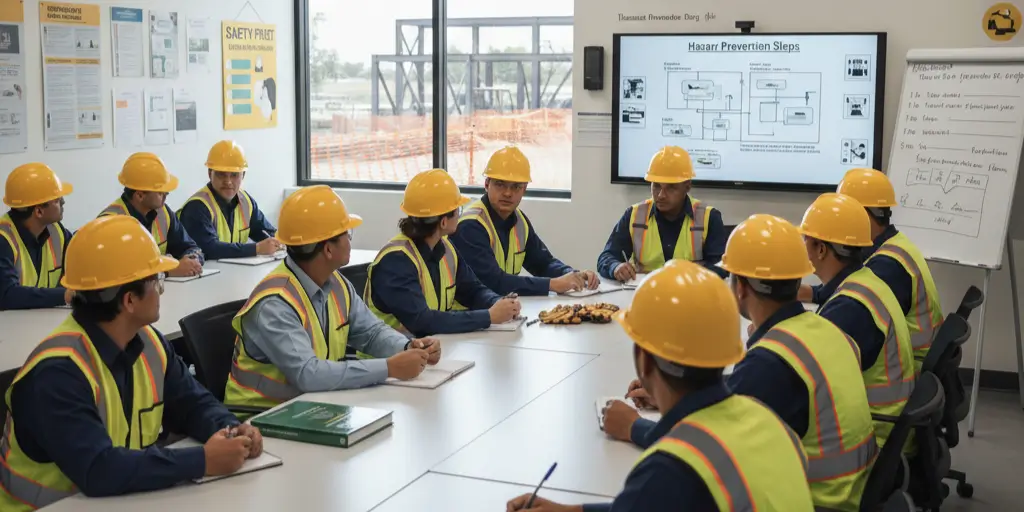
These courses cover critical topics like hazard identification, workplace rights, and employer responsibilities. Delivered by authorized trainers, the program provides participants with the knowledge needed to recognize unsafe conditions and take preventive actions.
However, while OSHA Outreach Training sets a solid foundation, it is not a comprehensive solution to workplace safety challenges.
The Impact of OSHA Outreach Training on Workplace Safety
OSHA Outreach Training plays a crucial role in creating safety-conscious workplaces. Studies show that employees who undergo such training are better equipped to identify and mitigate hazards, leading to fewer workplace incidents.
For instance, the training improves adherence with OSHA regulations, which is a critical factor in reducing accidents.

Additionally, it fosters a culture of accountability and proactive hazard management among workers and supervisors. Despite these benefits,
Limitations of OSHA Outreach Training
While OSHA Outreach Training is valuable, it has limitations that prevent it from being a standalone solution. First, the program is general in nature and does not always address industry-specific risks or unique workplace conditions. Workers in specialized fields may require more tailored training to handle specific hazards.

Why Workplace Accidents Persist Despite Training
Workplace accidents persist even with training programs like OSHA Outreach in place for several reasons. Human error remains a significant factor, often stemming from complacency, fatigue, or lack of ongoing reinforcement of safety practices.

The Need for a Comprehensive Safety Strategy
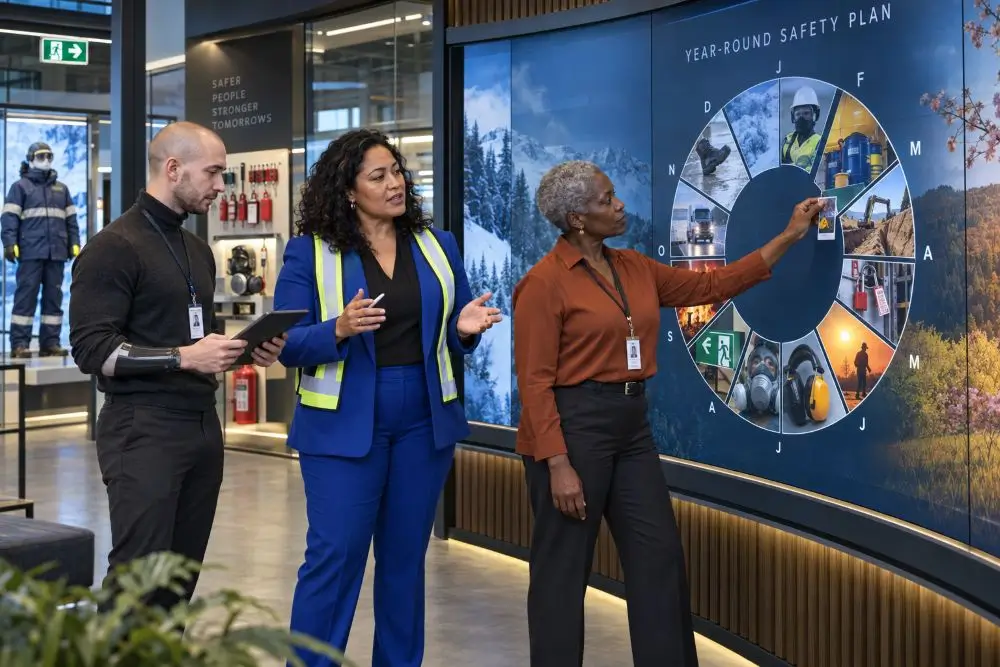
Reducing workplace accidents requires more than just OSHA Outreach Training; it demands a comprehensive safety strategy. This includes integrating the training into broader safety initiatives like regular safety audits, hazard assessments, and emergency preparedness drills. Organizations must also invest in industry-specific training to address unique risks effectively.

Enhancing OSHA Outreach Training with Advanced Tools
Advanced tools and technologies can complement OSHA Outreach Training, making it more effective. For example, virtual reality (VR) simulations provide immersive learning experiences that allow workers to practice safety procedures in a risk-free environment.

E-learning modules with interactive quizzes and scenarios help reinforce knowledge and keep employees engaged. Adherence management software ensures that training records are up-to-date and accessible, which is crucial for regulatory audits.
The Role of Leadership in Workplace Safety
Leadership plays a pivotal role in reducing workplace accidents. Managers and supervisors must go beyond just enforcing training requirements; they need to lead by example and prioritize safety in their daily operations.
Creating a safety-focused culture starts with leadership commitment, which can be demonstrated through regular communication, recognition of safe behaviors, and investment in employee well-being.

Continuous Training and Development
Workplace safety is an ongoing process that requires continuous training and development. OSHA Outreach Training should be viewed as the starting point rather than the endpoint.
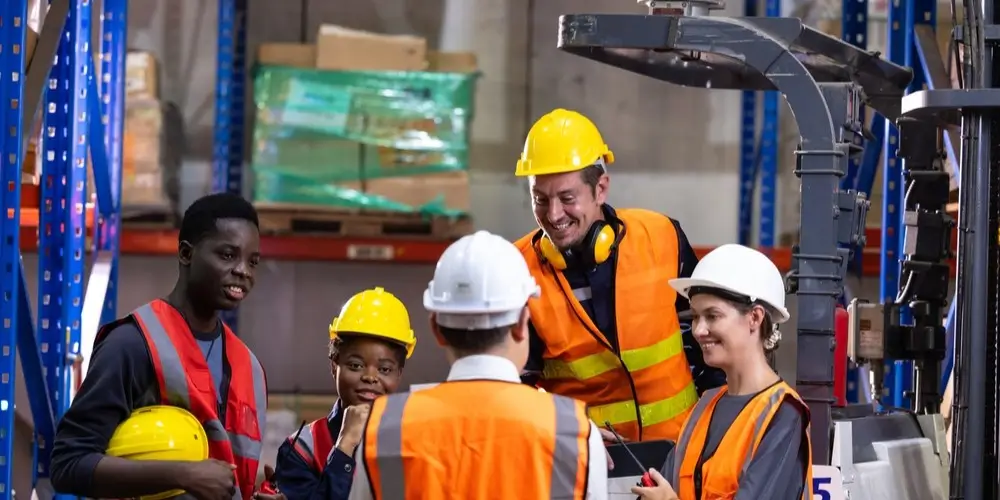
Regular refresher courses, workshops, and industry-specific certifications help employees stay updated on best practices and emerging risks. Additionally, organizations should provide opportunities for workers to participate in hands-on training and emergency response drills, ensuring that theoretical knowledge is translated into practical skills.
Integrating Technology in Safety Practices
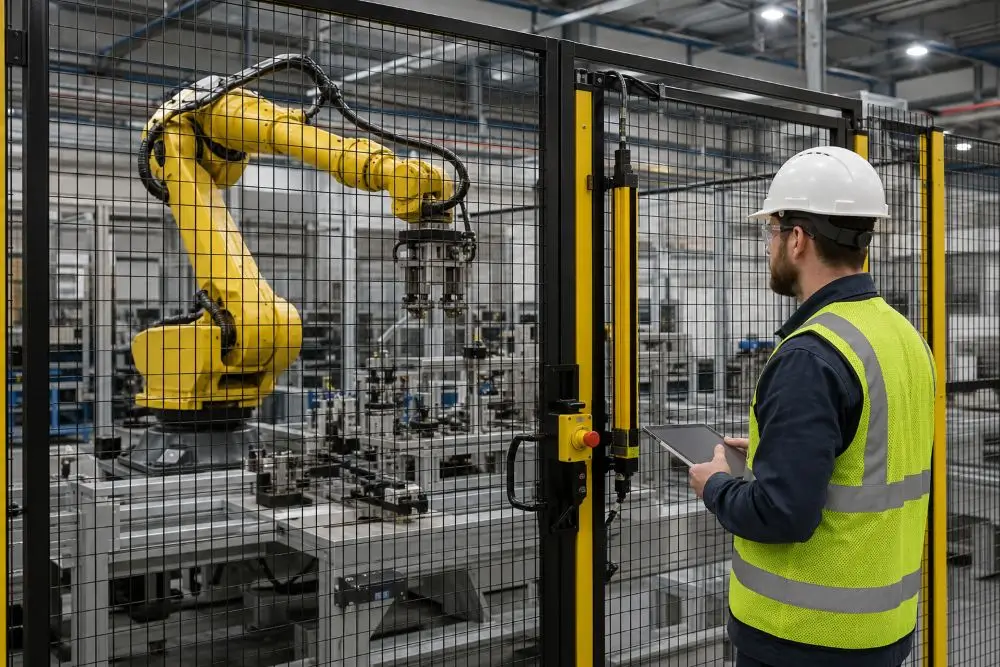
The integration of technology in workplace safety can significantly reduce accidents. Tools like IoT-enabled sensors and wearable devices monitor real-time conditions, alerting workers and supervisors to potential hazards.
Artificial intelligence (AI) and machine learning algorithms can analyze safety data to predict and prevent accidents. For example, AI can identify patterns in near-miss incidents, allowing organizations to implement preventive measures proactively.

Measuring the Effectiveness of Safety Training
To determine whether OSHA Outreach Training is effective, organizations must measure its impact on workplace safety. Key performance indicators (KPIs) such as accident rates, near-miss incidents, and employee engagement in safety programs provide valuable insights.
Surveys and feedback sessions can gauge whether workers feel adequately prepared to handle workplace hazards. Regular assessments of training programs help identify areas for improvement, ensuring that safety initiatives remain relevant and effective.

Conclusion
While OSHA Outreach Training is an essential foundation for workplace safety, it alone cannot eliminate accidents. Its general approach provides crucial knowledge but lacks specificity for unique workplace hazards. To achieve significant safety improvements, organizations must adopt a broader strategy that combines OSHA training with continuous education, advanced technologies like AI and VR, and strong leadership commitment.
A holistic approach addressing diverse risks and promoting a safety-first culture ensures better accident prevention, employee well-being, and adherence to evolving standards. By integrating and continuously enhancing safety measures, businesses can move closer to achieving the ultimate goal of zero workplace accidents.
Explore OSHA Training Solutions