Analysis of OSHA Courses
Occupational Safety and Health Administration (OSHA) courses play a pivotal role in ensuring workplace safety across various industries. Understanding the demographics of individuals undertaking these courses provides valuable insights into the workforce’s priorities, needs, and potential areas for improvement. In this article, we’ll investigate the demographic analysis of OSHA courses to uncover trends, challenges, and opportunities shaping workplace safety education.
century
INDUSTRIAL REVOLUTION
For centuries, countless Americans sacrificed their lives to strengthen the nation’s economic expertise. The late 19th-century Industrial Revolution marked a period of rapid economic growth, but also expanded exploitation of American laborers, with appalling working conditions leading to alarming death rates among workers. In 1970, Congress intervened, prompted by the escalating crisis. The passage of the Occupational Safety and Health Act heralded a pivotal moment, giving birth to the Occupational Safety and Health Administration (OSHA).
Since its inception, OSHA has been dedicated to reducing workplace fatalities, illnesses, and injuries through defining OSHA injury reporting requirements and an OSHA injury reporting flowchart. Remarkably, OSHA injury statistics and OSHA illness rate statistics show that its efforts have led to a 60% reduction in fatalities
40% decrease in illnesses and injuries since 1970. Notably, OSHA’s serious injury reporting mandates underscore the importance of addressing severe workplace accidents promptly. Additionally, exploring the uptake of indoor heat illness Cal OSHA training underscores evolving concerns regarding workplace health hazards.
Demographic Analysis of the OSHA Adherence Safety Training Courses Market
The Occupational Safety and Health Administration (OSHA) mandates specific safety standards for workplaces in the United States. Adherence safety training plays a crucial role in educating employers and employees about these standards through OSHA courses to create a safe and healthy working environment.
The market offers a range of training modules, including hazard communication, electrical safety, machine guarding, and emergency response. Providers also offer diverse training modules, including OSHA injury and illness prevention programs and OSHA heat illness prevention, catering to industry-specific needs.
The OSHA adherence Safety Training Market presents significant opportunities for providers to deliver tailored training solutions, leverage innovative delivery methods, and contribute to the promotion of workplace safety across industries.
Distribution of OSHA Course Participants by Age, Gender, and Ethnicity
Explore the distribution of OSHA course participants by age, gender, and ethnicity. Understand demographic trends in workplace safety training.
Gender Distribution
Despite progress, disparities persist in OSHA injury statistics and OSHA illness rate statistics. Addressing these gaps requires promoting inclusivity and equity gender distribution in safety education. Despite comprising roughly 50% of the US workforce, women represent only 19% of the safety industry and a mere 22% of certified safety professionals. This underrepresentation stems from various factors, including fewer women enrolling in safety-related academic programs, as noted by the American Society of Safety Professionals.
Moreover, gender-specific occupational hazards, such as workplace violence and health issues like carpal tunnel syndrome, impact women disproportionately, as highlighted by the Bureau of Labor Statistics and the National Institute for Occupational Safety and Health.
Addressing these disparities requires a concerted effort to develop inclusive safety procedures and policies that consider the unique needs and vulnerabilities of female workers. By promoting gender diversity and equity in safety education and practices, the industry can create safer and more inclusive work environments for all.
This expansion reflects a growing recognition of the importance of occupational safety and health standards across the globe
OSHA-authrozied
courses
OSHA COURSES WORLDWIDE
With a descriptive catalog of over 1200 OSHA-authorized OSHA courses, including OSHA 10 and OSHA 30 training , it caters to the diverse needs of industries worldwide. These courses are available not only in the United States but also in various territories and jurisdictions, including the District of Columbia, the Commonwealth of Puerto Rico, and more. While historically North America and Europe have dominated the workplace safety market, the global market share is projected to increase, reaching an estimated $30.3 billion by 2028.
This expansion reflects a growing recognition of the importance of occupational safety and health standards across the globe.
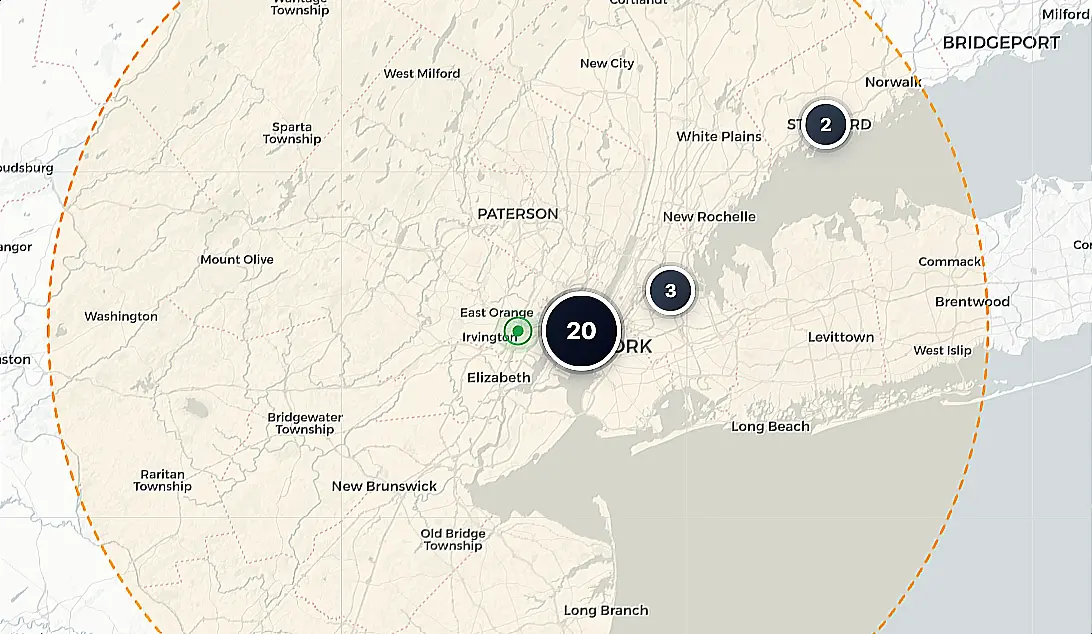
The participation rates in OSHA courses vary among different industries and regions, influenced by factors such as workforce size, industry-specific hazards, and regulatory enforcement. Despite Federal OSHA's limited resources, including approximately 1,850 inspectors overseeing 130 million workers at over 8 million worksites nationwide, participation rates can be assessed based on the distribution of regional and local offices.
With 10 regional offices and 85 local area offices, certain regions may witness higher participation due to proactive enforcement efforts or industry-specific initiatives. Industries with inherently hazardous working conditions, such as construction or manufacturing, might exhibit higher participation rates compared to relatively safer sectors.
Additionally, regions with concentrated industrial activity or heightened awareness of safety regulations may see increased participation. Understanding these dynamics can aid in targeting outreach efforts and allocating resources effectively to promote broader participation in OSHA courses across industries.
courses
LIMITED ACCESS TO OSHA COURSES
Limited access to OSHA courses, especially in rural or underserved areas, poses a significant barrier to workforce training and safety education. Addressing this challenge requires innovative approaches such as online courses, mobile training units, or working withs with local institutions to expand reach and accessibility.
Education
OFFERING OSHA COURSES
Language and cultural diversity among workforce populations necessitate tailored approaches to safety education. Offering OSHA courses in multiple languages and incorporating culturally relevant content enhances engagement and comprehension among diverse groups, fostering a culture of safety across communities.
courses
PROMOTING INCLUSIVITY AND EQUITY
Promoting inclusivity and equity in OSHA courses involves addressing systemic barriers to participation, such as socioeconomic disparities or discrimination. Implementing scholarship programs, financial assistance, or targeted outreach initiatives ensures that safety education remains accessible to all individuals regardless of their background or circumstances.
The demographic analysis of OSHA courses provides valuable insights into the workforce’s priorities, needs, and areas for improvement in workplace safety education. By leveraging injury and illness prevention program OSHA, organizations can enhance workplace safety. Despite Federal OSHA’s limited resources, participation rates vary among industries and regions, influenced by factors like workforce size and industry-specific hazards.
Challenges such as limited accessibility, language barriers, and technological integration need to be addressed to ensure equitable access to safety training for all workers. However, opportunities exist to enhance inclusivity, promote cultural sensitivity, and leverage technology for more effective safety education. By addressing these challenges and capitalizing on opportunities, the OSHA courses can play a crucial role in creating a safer and healthier work environment for individuals across diverse industries and regions worldwide.