
DOT Hazmat: Function Specific ‑ Labeling
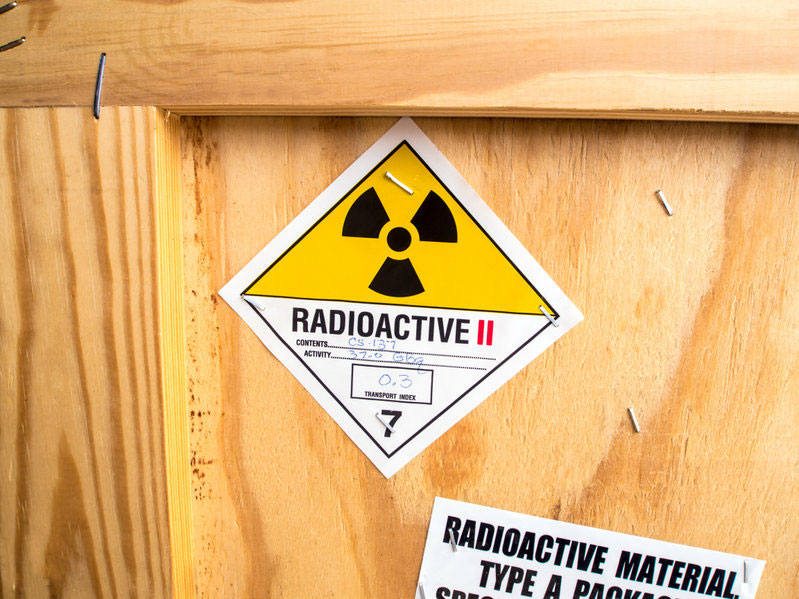
The DOT Hazmat: Function Specific – Labeling course is designed for employees involved in handling, shipping, and transporting hazardous materials. This training focuses on DOT hazmat labeling requirements, helping workers correctly identify and apply labels to ensure safe and safe transportation. Participants will learn how proper labeling supports hazard communication, reduces risks, and prevents regulatory violations.
This course also covers essential aspects of hazmat marking and labeling training, including how markings and labels work together to communicate hazards effectively. Learners will gain a clear understanding of hazmat labeling requirements and how to apply them in real-world job roles such as logistics, warehousing, and transportation.
Upon successful completion, students receive CEUs, a Certificate of Completion, and a PVC wallet ID, providing proof of training and supporting workplace requirements.
 Self-Paced Training
Completion Certificate
No Hidden Fees
Job Aid
Self-Paced Training
Completion Certificate
No Hidden Fees
Job Aid
Why Workers Choose Us
| features |  |
other providers |
|---|---|---|
| Instant Downloadable Certificate |  |
|
Free Study Guide

|
|
|
| Discounts For Businesses
|
|
 |
| No Hidden Cost | |
|
| Mobile Compatibility
|
|
|
| Flexible Learning
|
|
|
Satisfied Customers
Learning Objectives
- Recognize hazards based on the specific type of label displayed.
- Utilize the Hazardous Materials Table to determine and apply the correct hazard labels for shipments.
- Understand the proper placement of labels in relation to other required markings on packages.
- Apply labeling protocols for packages containing radioactive materials, ensuring compliance with DOT requirements.
Course Outline
-
1. Course Overview
-
2. General Labeling Requirements
-
3. Additional Labeling Requirements
-
4. Labels by Class
-
5. Label Specifications
-
6. Label Placement
-
7. Labeling Exceptions
-
8. Radioactive Materials
-
9. Final Exam
Training Process
A comprehensive DOT Hazardous Materials training program must cover the following components: General Awareness training, either basic or advanced; Function-specific and modal-specific instruction; Security Awareness training Safety Awareness training (upcoming); In-depth security training, if applicable; or Driver training for motor vehicle operators, if applicable. Hazmat employers are responsible for training, testing, and certifying all Hazmat Employees within 90 days of hire. Employees must also complete recurrent training at least every three years. New employees or those assuming new hazmat-related responsibilities may only perform hazardous materials duties under direct supervision until training is completed. The DOT mandates that all hazmat personnel receive retraining and testing every three years. For air carrier employees, the FAA requires retraining every two years under 14 CFR. Employers must maintain accurate training records for requirements. Additional Training Additional training may be required depending on an employee’s role, including OSHA, EPA, or other hazardous materials response courses. Employers should also provide site-specific instruction focusing on company-specific hazard prevention, use of equipment, emergency procedures, and safety policies, with proper documentation.
VIDEO TESTIMONIAL
FAQ
What is the purpose of DOT hazmat labeling requirements?
Who should take this hazmat marking and labeling training?
How do I know which label to use for a specific hazardous material?
Are there situations where labels can be altered or omitted?
How should labels be applied to packaging?
Join our mailing list
Get announcements, industry updates and promotional offers.
17350 TX-249 Ste 220 19204, Houston, TX 77064, United States
