Every year, OSHA releases its most frequently cited safety violations, and 2022’s list highlights critical areas where workplaces need immediate attention. Understanding these common pitfalls helps employers protect their teams, maintain compliance, and avoid costly penalties.
Based on thousands of inspections across construction, manufacturing, and warehousing industries, here are the top violations every safety professional should address.
FALL PROTECTION (1926.501) – THE REPEAT OFFENDER
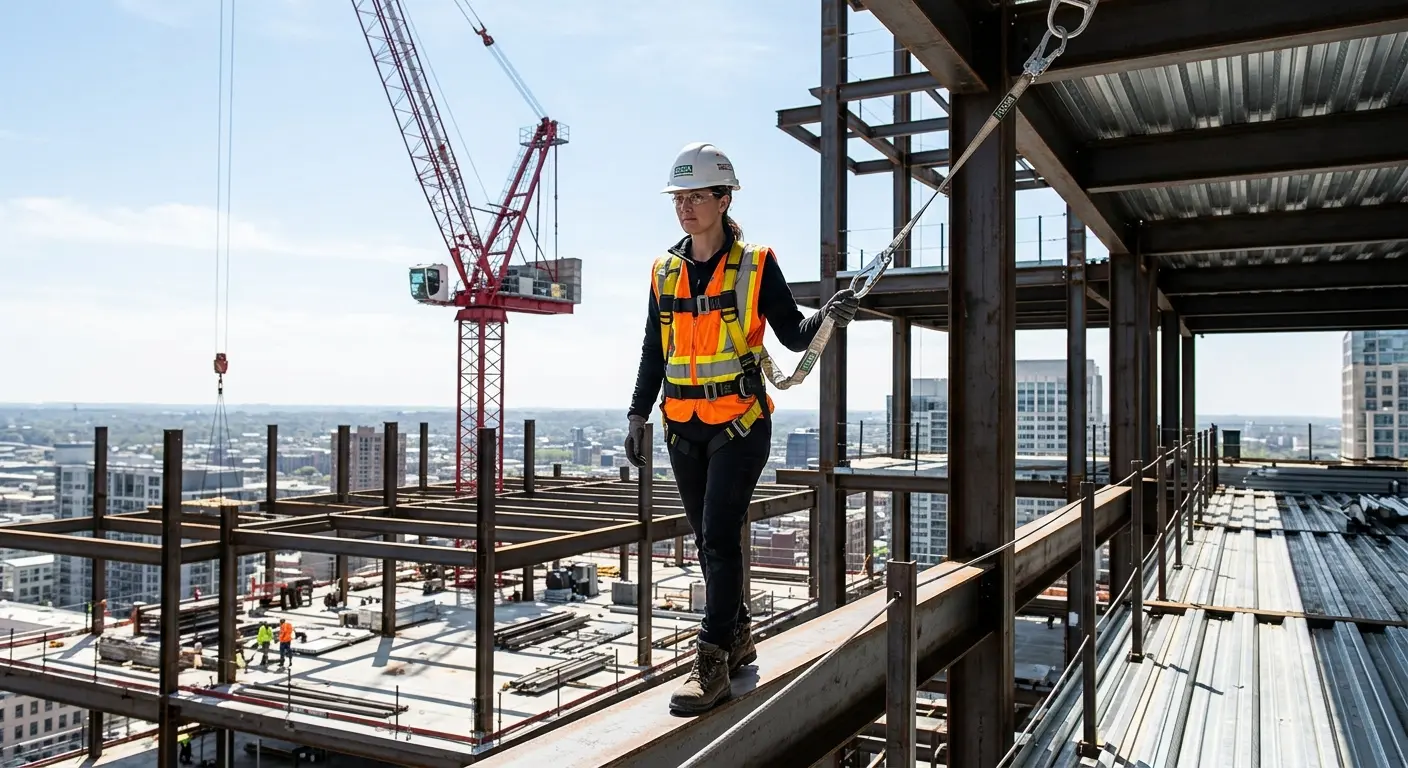
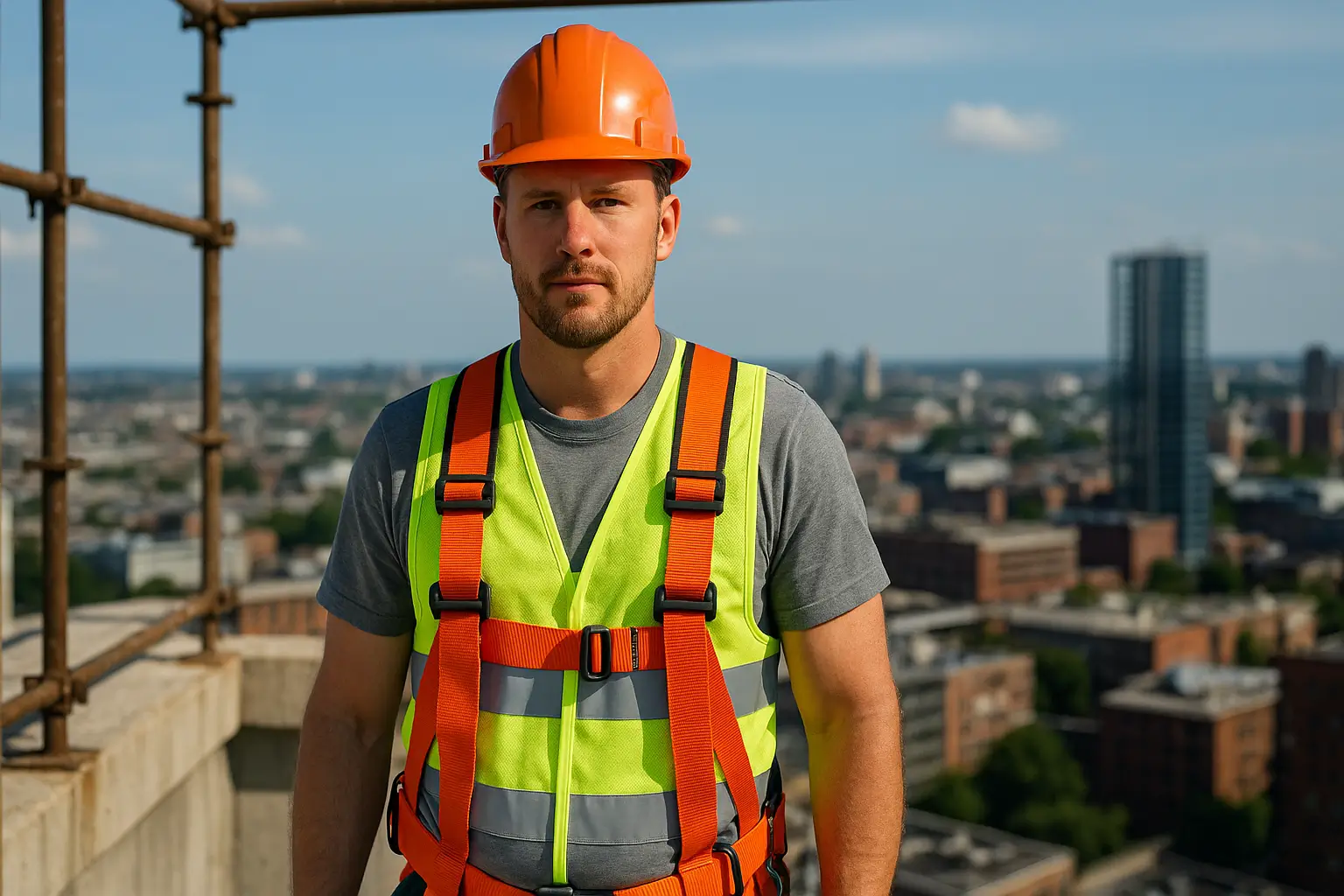
Fall protection claims the top spot again, with most citations involving unguarded edges, unstable scaffolding, and missing guardrails.
How to Stay Safe:
Install reliable guardrail systems or safety nets
Use personal fall arrest systems (PFAS) correctly
Conduct regular site-specific hazard assessments
Train workers thoroughly on fall prevention techniques
Remember: OSHA requires fall protection for any construction work at 6 feet or higher.
HAZARD COMMUNICATION (1910.1200) – CHEMICAL SAFETY MATTERS
Workplaces often fail to meet this standard by lacking Safety Data Sheets, poor labeling, or inadequate employee training.
Prevention Steps:
Maintain updated Safety Data Sheets for all chemicals
Ensure clear hazard labels on every container
Train employees to read labels and handle chemicals safely
Keep your written hazard communication program current
SCAFFOLDING SAFETY (1926.451) – BUILD IT RIGHT
Improper scaffolding causes serious falls and injuries year after year.
Essential Safety Measures:
Have competent personnel erect and inspect all scaffolds
Install proper guardrails, secure planking, and safe access ladders
Never exceed load capacities or use damaged components
Conduct daily inspections before work begins
LOCKOUT/TAGOUT (1910.147) – CONTROL YOUR ENERGY
LOTO violations occur when workers service equipment without properly isolating energy sources.
Prevention Made Simple:
Develop specific LOTO procedures for each energy source
Train both authorized and affected employees thoroughly
Use OSHA-safe lockout devices every time
Document all procedures and training sessions
RESPIRATORY PROTECTION (1910.134) – BREATHE EASY
Workers risk inhaling harmful substances when respiratory protection fails.
Keep Lungs Safe:
Conduct regular air quality assessments
Provide NIOSH-authorized respirators for specific hazards
Implement fit testing and maintenance programs
Train workers on proper use and limitations
LADDER SAFETY (1926.1053) – CLIMB WITH CONFIDENCE
Ladder misuse and poor maintenance cause countless preventable injuries.
Smart Ladder Practices:
Inspect every ladder before use
Maintain three-point contact while climbing
Never stand on top rungs or overreach
Choose ANSI/OSHA-safe ladders only
POWERED INDUSTRIAL TRUCKS (1910.178) – OPERATE SAFELY
Forklift accidents continue to plague warehouses and construction sites.
Essential Operating Rules:
Certify all operators through proper training programs
Conduct pre-shift inspections without exception
Enforce speed limits and load capacity rules
Designate clear traffic lanes and pedestrian zones
MACHINE GUARDING (1910.212) – GUARD AGAINST DANGER
Missing or inadequate machine guards lead to severe injuries from moving parts.
Protection Priorities:
Install appropriate guards on all dangerous machinery
Conduct regular guard inspections and maintenance
Never bypass safety devices or interlocks
Train workers on guard purposes and importance
FALL PROTECTION TRAINING (1926.503) – KNOWLEDGE SAVES LIVES
Even the best equipment fails without proper training.
Effective Training Approach:
Combine classroom learning with hands-on practice
Document all training sessions thoroughly
Refresh skills regularly through toolbox talks
Make training site-specific and practical
EYE AND FACE PROTECTION (1926.102) – CLEAR VISION SAFETY
Flying debris, chemicals, and dust pose constant eye injury risks.
Vision Protection Basics:
Assess eye hazards for each task
Provide ANSI-authorized safety glasses or goggles
Replace damaged PPE immediately
Ensure proper fit and comfort for compliance
BUILDING A STRONGER SAFETY CULTURE
REGULAR SAFETY AUDITS
Conduct routine inspections to catch hazards early. Designate safety officers to document findings and track corrective actions.
CONTINUOUS TRAINING
Keep safety knowledge current with regular OSHA training sessions. Programs like OSHA 10-Hour and 30-Hour courses help workers identify and prevent common hazards effectively.
OPEN COMMUNICATION
Create an environment where employees report safety concerns without fear. Encourage near-miss reporting to prevent future incidents.
SAFETY MANAGEMENT SYSTEMS
Develop clear safety policies, define roles, and set measurable goals. A structured approach ensures consistent compliance across your organization.
POSITIVE REINFORCEMENT
Recognize and reward safe behavior. Simple acknowledgment programs motivate employees to maintain high safety standards.
YOUR PATH TO WORKPLACE SAFETY STARTS NOW
OSHA’s violation list isn’t just a compliance checklist – it’s a roadmap to creating safer workplaces. Each violation represents preventable risks that proper training and attention can eliminate.
By addressing these top violations proactively, you protect your most valuable asset: your people.
Ready to strengthen your safety program? Explore our OSHA-authorized training courses and build a culture where safety comes first.