
OSHA 40-Hour HAZWOPER ‑ Blended
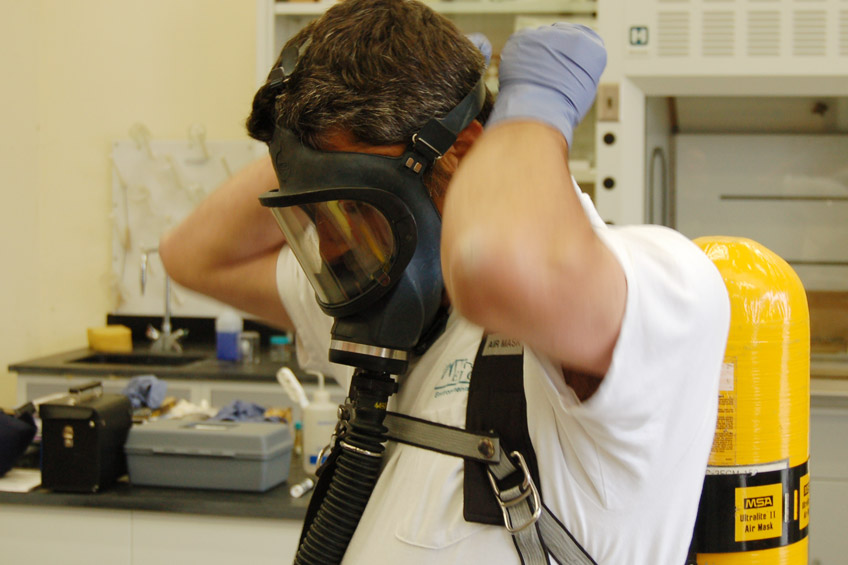
The OSHA 40 Hour HAZWOPER Training Blended course is designed for professionals involved in hazardous waste operations, emergency response, and high-risk work environments. This training combines classroom training with practical exercises to provide a comprehensive understanding of hazard recognition, safety procedures, and regulatory requirements.
Through the 40 Hour OSHA HAZWOPER Blended format, learners gain hands-on experience and knowledge that prepares them to work safely in hazardous environments. The course also includes on-site specific equipment training, making sure workers are familiar with the tools and procedures unique to their workplace.
Upon successful completion, participants receive CEUs, a Certificate of Completion, and a PVC wallet ID for verification. This blended approach ensures workers are not only trained in theory but are also prepared for real-world situations, improving safety, requirements, and professional readiness.
If you want to complete this program online, from the comfort of your home! Enroll in HAZWOPER 40-Hour online training.
 Self-Paced Training
Completion Certificate
No Hidden Fees
Self-Paced Training
Completion Certificate
No Hidden Fees
Why Workers Choose Us
| features |  |
other providers |
|---|---|---|
| Instant Downloadable Certificate |  |
|
Free Study Guide

|
|
|
| Discounts For Businesses
|
|
 |
| No Hidden Cost | |
|
| Mobile Compatibility
|
|
|
| Flexible Learning
|
|
|
Satisfied Customers
Learning Objectives
- Understand OSHA and HAZWOPER regulations, along with related safety laws that apply to hazardous waste operations.
- Identify the specific training requirements and responsibilities of HAZWOPER workers.
- Perform site assessments to identify hazards and implement measures to control risks effectively.
- Recognize hazardous substances, research their characteristics, and understand safe handling practices.
Course Outline
-
1. Introduction
- 40 Hour HAZWOPER Online
-
2. Module 1
- Module Overview - Legal Issues
- Introduction to OSHA
- Introduction to HAZWOPER
- HAZWOPER Training
- Regulatory Compliance
- Safety and Health Program
- Medical Surveillance
- Module 1 Exam
-
3. Module 2
- Module Overview - Toxicology
- Introduction to Toxicology
- The Importance of Dosage
- Types of Toxic Substances
- Toxicological Effects
- Factors that Influence Toxicity
- Module 2 Exam
-
4. Module 3
- Module Overview - Chemical Hazards
- Introduction to Industrial Hygiene
- Introduction to Biological Hazards
- Hazard Communication
- Physical and Chemical Properties
- Introduction to Radiation
- Module 3 Exam
-
5. Module 4
- Module Overview - Physical Hazards
- Walking and Working Surfaces
- Fall Prevention and Protection
- Electrical Hazards
- Introduction to Confined Spaces
- Cold Illnesses and Injuries
- Heat Illnesses and Injuries
- Heat Illness Prevention
- Using the Heat Index
- Other Physical Hazards
- Module 4 Exam
-
6. Module 5
- Module Overview - Basic PPE Overview
- Introduction to Personal Protective Equipment
- Introduction to Respiratory Protection
- Introduction to Chemical Protective Clothing
- Introduction to Monitoring and Detection
- PPE for the Head, Eyes, Face, and Ears
- PPE for the Hands and Feet
- Module 5 Exam
-
7. Module 6
- Module Overview - Waste Site Operations
- Site Characterization and Analysis
- Site Control Tactics and Strategy
- Job Hazard Analysis
- Handling Drums and Containers
- Sampling Methods and Procedures
- Managing Chemical Spills
- Introduction to Decontamination
- Emergency Response
- Understanding Temporary HAZWOPER Worksites
- Module 6 Exam
-
8. Module 7
- Module Overview - Using Respiratory Protection
- Using Respiratory Protection
- Types of Respiratory Protection
- Respirator Selection and Use
- Respirator Medical Evaluation
- Respirator Fit Testing
- Respirator Training Requirements
- Respirator Maintenance and Care
- Module 7 Exam
-
9. Module 8
- Module Overview - Using Chemical Protective Clothing (CPC)
- Medical Considerations for Wearing CPC
- Using Chemical Protective Clothing
- Chemical Protective Clothing Selection
- Chemical Protective Clothing Classifications
- Donning and Doffing CPC
- Inspection, Storage, and Maintenance of CPC
- Decontaminating and Cleaning CPC
- Module 8 Exam
-
10. Module 9
- Module Overview - Using Monitoring and Detection Devices
- Preventing Sparks During Gas Detection
- Sensor Technology
- Types of Gas Detection Systems
- Using Colorimetric Tubes
- Using Combustible Gas Indicators
- FIDs and PIDs
- Other Detection Devices
- Module 9 Exam
-
11. Module 10
- Module Overview - Video Equipment Familiarization
- Respiratory Video Section
- Level-A Video Section
- Level-B Video Section
- CPC Components and Accessories Video Section
- Monitoring and Detection Video Section
- Miscellaneous Tools and Equipment Video Section
- Decontamination
- 40 Hour HAZWOPER Summary and Conclusion
Training Process
Workers must receive training on the specific hazards of their job whenever required by OSHA standards. Using reputable training providers ensures credibility and strengthens a company’s safety program. In addition to external training, employees should complete site-specific training provided by their employer. This training focuses on the company’s unique hazard prevention methods, including the use of on-site equipment, safety policies, and emergency procedures, and should always be properly documented. Employers are ultimately responsible for ensuring that their staff are adequately trained to perform their job safely. Some students may complete an 8-hour hands-on session locally through another provider or their employer, in which case an Online 32 Hour HAZWOPER course can be combined to meet the 40-hour requirement. Proof of hands-on training may be required for certification if completed elsewhere. After completing the 40-hour training, OSHA mandates a minimum of three days of supervised field experience. This is not part of the initial training but ensures that new employees gain practical experience under direct supervision before working independently on-site.
VIDEO TESTIMONIAL
FAQ
Do I need to complete the online portion before attending the hands-on classroom session?
Does the 8-hour hands-on session mean I am fully trained to use equipment on any job site?
Can I take the 8-hour hands-on portion with a different provider or my employer instead of with you?
Does you offer the hands-on training at locations across the U.S.?
Why would someone choose the fully online 40-hour HAZWOPER course instead of the blended (32 online + 8 in-class) version?
Join our mailing list
Get announcements, industry updates and promotional offers.
17350 TX-249 Ste 220 19204, Houston, TX 77064, United States
