Machine guarding is a fundamental aspect of workplace safety, designed to protect employees from moving parts, energy sources, and other mechanical hazards.
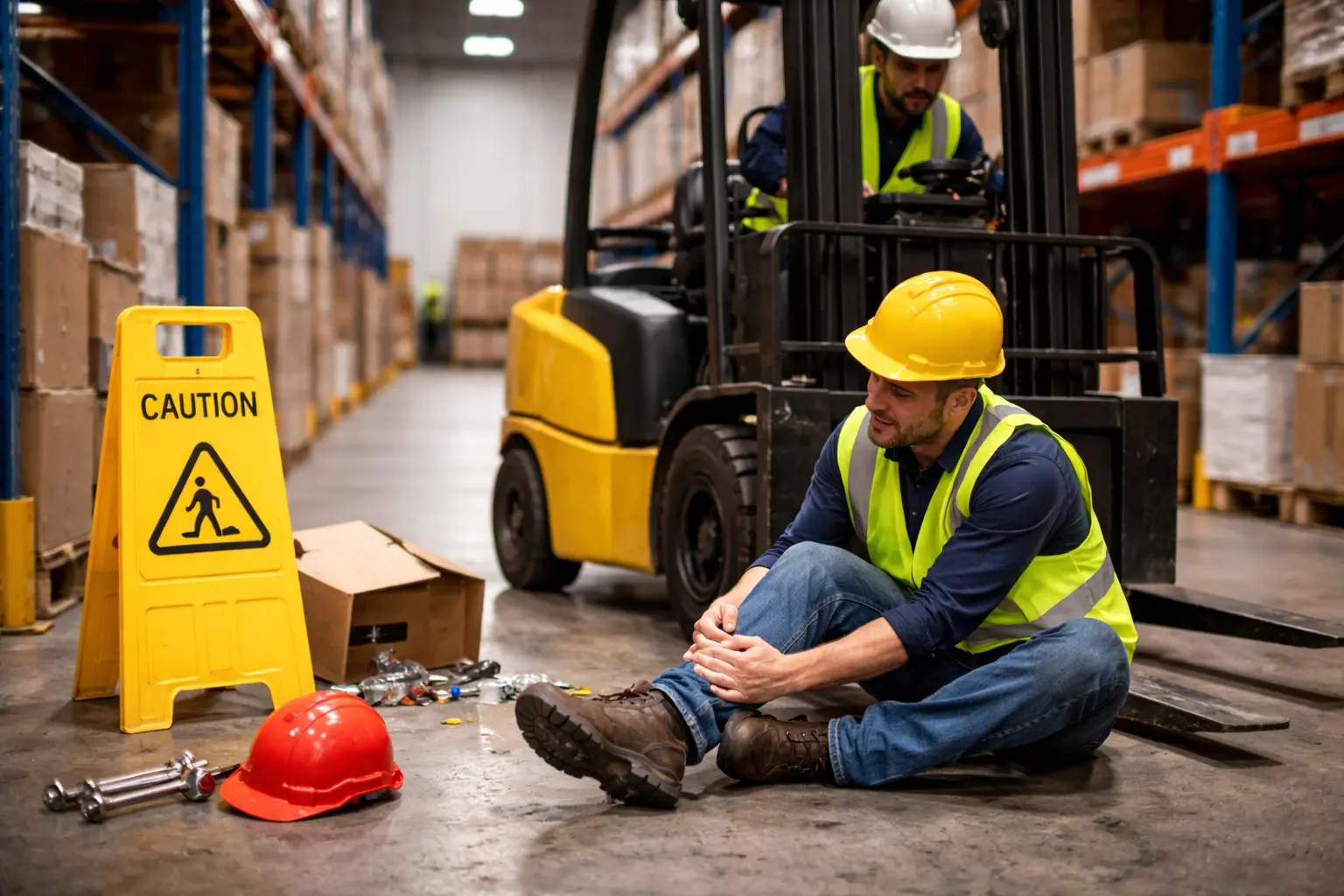
Despite its importance, many employers overlook proper guarding, leading to serious injuries such as amputations, lacerations, and crush injuries.
OSHA enforces strict standards for machine guarding under 29 CFR 1910 Subpart O, highlighting the legal and safety obligations of employers.
Understanding common violations and their root causes can help organizations proactively protect workers.
As machinery becomes more complex and automated, maintaining effective guards is more critical than ever.
This blog examines common mistakes employers make and provides guidance on how to avoid them.
What Is Machine Guarding?
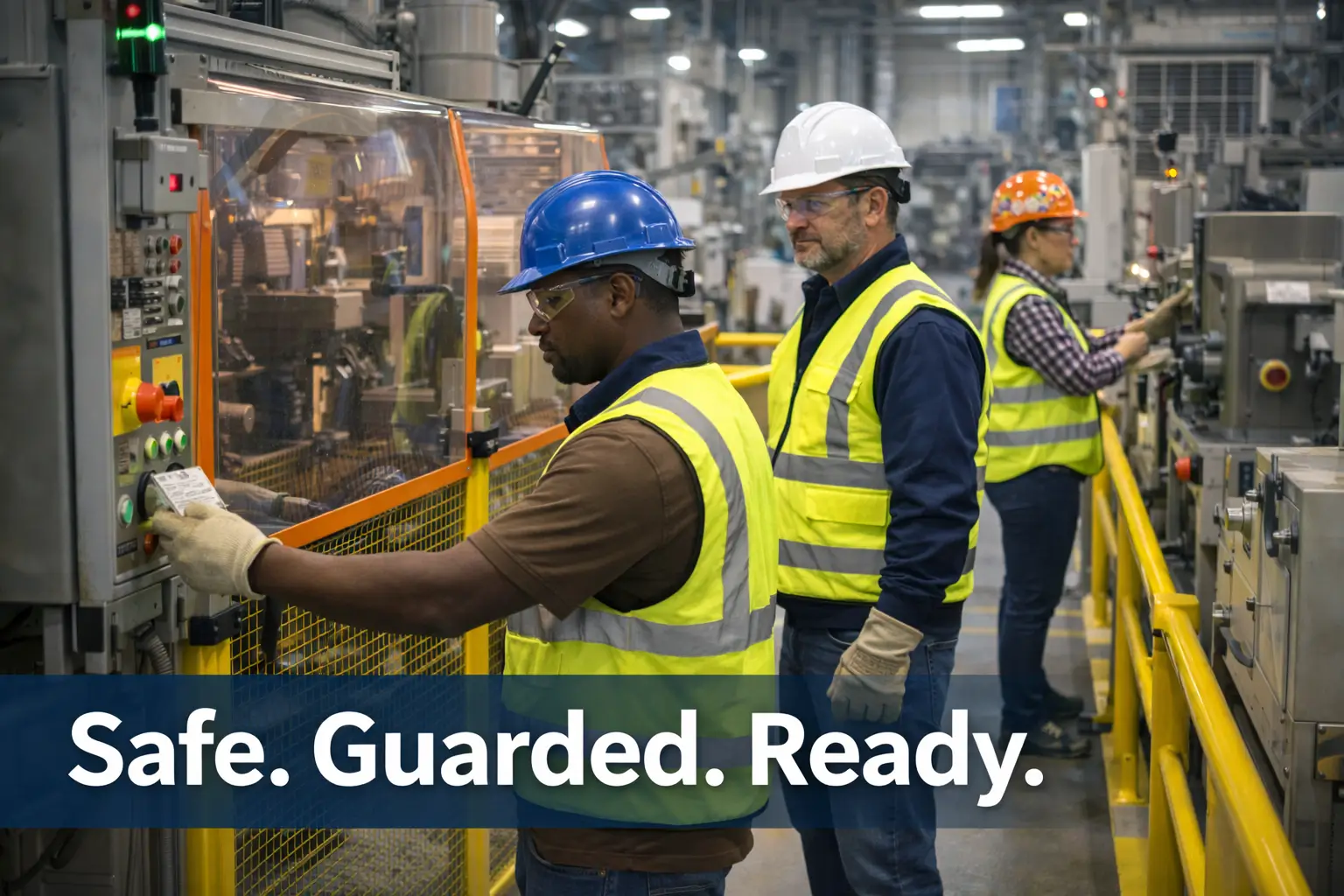
Machine guarding refers to physical or electronic barriers designed to protect employees from moving parts, pinch points, and energy hazards.
These guards prevent injuries by restricting access to dangerous areas while allowing machines to operate safely.
Common types of machine guards include fixed guards, interlocked guards, adjustable guards, and self-adjusting guards, each suited to specific machinery and tasks.
Proper installation and maintenance of guards are essential to ensure they function as intended.
Machine guarding is a critical component of workplace safety programs and OSHA standards.
Common Machine Guarding Violations
One frequent violation is the absence or inadequacy of guards, leaving employees vulnerable to exposure to moving parts. Guards that are improperly installed or adjusted can fail to protect workers effectively.
Another common mistake is bypassing or removing guards to speed up production, which greatly increases the risk of injury.
Employers may also use guards that do not meet OSHA-authorized specifications, creating gaps in safety coverage. Recognizing these violations is the first step toward creating a safer work environment and reducing workplace accidents.
High-Risk Machines and Tasks
Certain machines and tasks pose higher risks due to their moving parts and energy sources. Presses, saws, grinders, and conveyors are commonly associated with serious injuries if not properly guarded.
Tasks that require frequent interaction with moving components, such as material handling or feeding machines, increase exposure to hazards.
Case studies show that missing or inadequate guards on these machines often lead to crush injuries, amputations, or lacerations.
Identifying these high-risk machines is essential for prioritizing safety interventions and preventing incidents.
Root Causes of Machine Guarding Violations
Many machine guarding violations stem from insufficient training and awareness among employees about proper guard use and safety procedures.
Production pressures and tight deadlines often lead workers or supervisors to bypass or remove guards to save time. Inadequate hazard assessments and a lack of regular workplace audits prevent early identification of guarding deficiencies.
Poor maintenance practices and outdated equipment further exacerbate risks. Understanding these root causes helps employers implement targeted solutions to reduce violations and protect workers.
OSHA Recommendations for Employers
Employers should conduct regular hazard assessments and machine inspections to identify potential risks and ensure guards are in place. Installing the correct type of guard for each machine and maintaining it properly is crucial for effective protection.
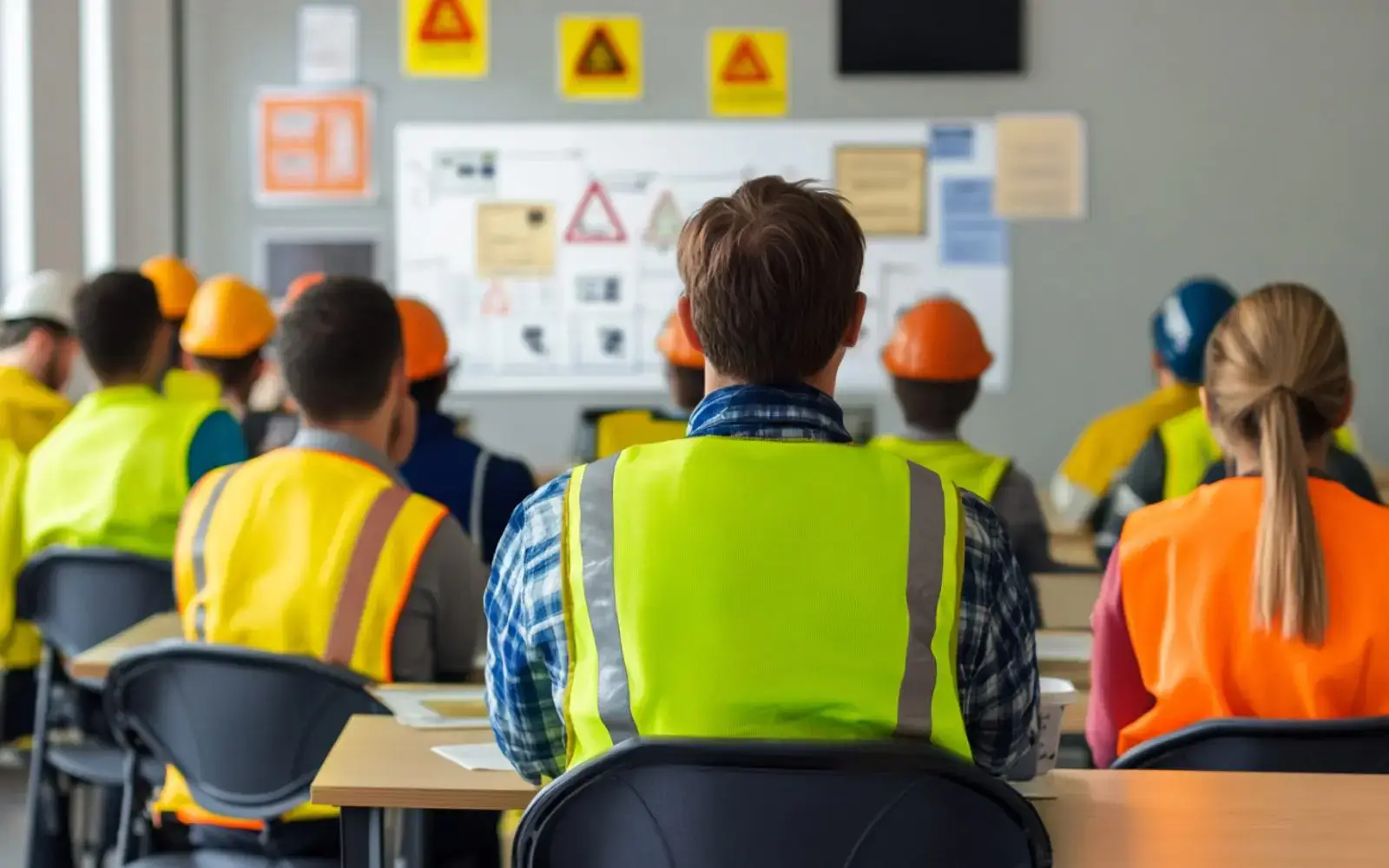
Employee training on safe machine operation, correct use of guards, and hazard recognition is essential.
Encouraging workers to report missing, damaged, or malfunctioning guards fosters a proactive safety culture.
Following OSHA-authorized guidelines ensures adherence to workplace safety standards and reduces the likelihood of serious injuries.
Consequences of Non-Adherence
Failing to properly guard machines can result in serious OSHA citations, penalties, and fines, which can be substantial depending on the severity and frequency of violations.
Beyond regulatory consequences, non-adherence significantly increases the risk of worker injuries or fatalities, including amputations, crush injuries, and lacerations.
Employers may also face legal liability, workers’ compensation claims, and lawsuits. Repeated or willful violations can even lead to operational shutdowns, damaging both reputation and productivity.
Understanding these consequences emphasizes the importance of proactive machine safety measures.
Best Practices for Sustained Machine Safety
To maintain effective machine safety, integrate guarding practices into existing safety programs and daily pre-task planning routines.
Engage workers in selecting appropriate guards and encourage open discussions about hazards to foster ownership and awareness.
Conduct regular audits and inspections to ensure guards are functional and properly installed. Provide ongoing refresher training to reinforce safe practices and update procedures as equipment or processes change.
Continuous improvement initiatives, based on incident reviews and employee feedback, ensure long-term adherence to safety standards and minimize risks.
Conclusion
Machine guarding is a cornerstone of workplace safety, protecting employees from serious injuries and fatalities.
Common violations often arise from missing or improper guards, employee shortcuts, and insufficient training, but they can be effectively addressed through proactive hazard assessments and robust safety programs.
By following OSHA-recommended practices, installing proper guards, maintaining equipment, training workers, and conducting regular audits, employers can minimize risks, reduce liability, and create a culture of safety.
Sustained commitment to machine guarding not only safeguards workers but also supports operational efficiency and long-term organizational success.