
OSHA 2026 Updates and Workplace Impact
As 2026 approaches, OSHA is set to introduce several key updates that will affect workplaces across the United States.
High-risk industries such as construction, manufacturing, energy, and utilities are expected to face expanded inspections, stricter enforcement, and new safety standards.
These changes reflect OSHA’s commitment to reducing workplace hazards and improving employee protection.
For employers, staying informed and preparing ahead of time is essential to maintain compliance, avoid penalties, and ensure the safety of their workforce.
Proactive measures now can make the transition to 2026 standards smoother and more effective.

OSHA’s 2026 Priorities
OSHA’s 2026 agenda emphasizes heightened oversight and stronger enforcement across multiple high-risk sectors. Key focus areas include construction, manufacturing, energy, and utilities, where workplace hazards are most prevalent.
Employers should anticipate more frequent inspections, stricter compliance checks, and increased scrutiny on hazard controls and safety protocols.
Understanding these priorities allows businesses to proactively address potential risks, update safety programs, and ensure adherence to OSHA standards.
Staying ahead of these focus areas not only reduces the likelihood of costly penalties but also strengthens overall workplace safety culture.

New and Updated Safety Standards
As OSHA moves into 2026, several key safety standards are being introduced or updated to address emerging workplace hazards.
These changes focus on protecting employees from heat stress, silica exposure, and other high-risk conditions, while emphasizing proper use and documentation of Personal Protective Equipment (PPE).
Employers will also need to stay alert for additional regulations under development that target evolving risks in construction, manufacturing, and other industries.
Proactively understanding and implementing these standards is essential for maintaining compliance and ensuring a safer work environment.
Heat Illness Prevention Standard
This upcoming standard is designed to protect workers from extreme heat exposure, particularly in outdoor and high-temperature environments.
Employers will need to implement measures such as hydration plans, work-rest schedules, and employee training to reduce the risk of heat-related illnesses.
Compliance will require monitoring conditions and documenting protective actions to ensure worker safety.
Stronger Silica Exposure Enforcement
OSHA is expected to increase enforcement of silica exposure limits, especially in construction, mining, and manufacturing industries.
Employers must update control measures like wet methods, ventilation, and respiratory protection to reduce airborne silica.
Regular monitoring and documentation of exposure levels will become more critical to meet the updated requirements.
Hand Protection and PPE Updates
OSHA is emphasizing proper fit, quality, and traceability of personal protective equipment, particularly gloves and hand protection.
Employers will need to ensure employees are trained on the proper use and selection of PPE.
Traceability and recordkeeping of PPE procurement and maintenance will help demonstrate compliance during inspections.
Emerging Standards Under Development
Additional regulations may be introduced to address evolving workplace hazards, including chemical exposures, ergonomics, and new technologies.
Employers should stay informed about proposed standards and assess their current safety programs.
Early preparation allows businesses to adapt policies and prevent compliance gaps before enforcement begins.
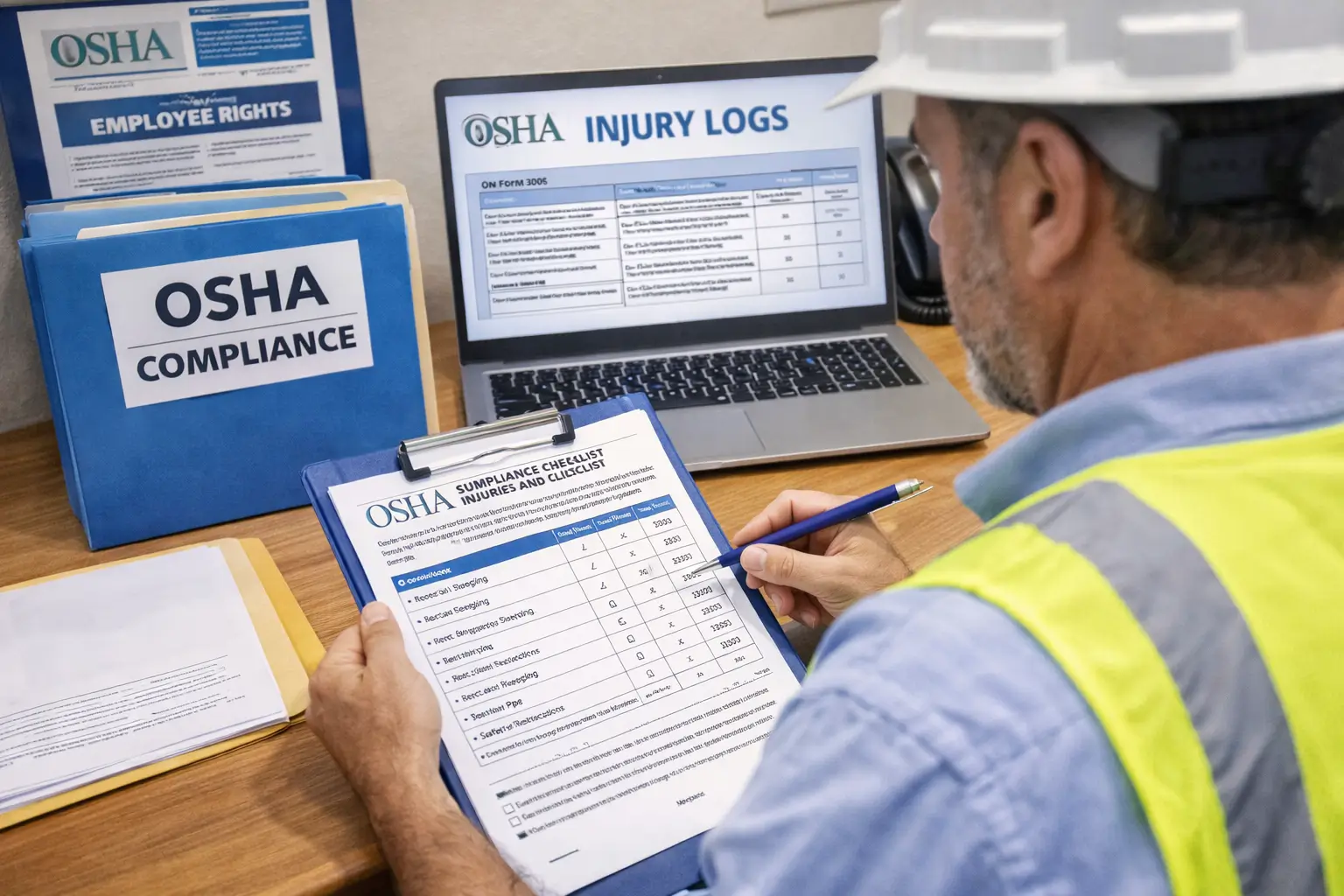
Enhanced Recordkeeping and Documentation
OSHA’s 2026 agenda emphasizes more comprehensive injury and illness reporting to improve workplace safety tracking.
Employers will need to maintain accurate documentation of incidents, safety inspections, and PPE procurement.
Proper recordkeeping not only supports compliance but also prepares companies for audits and inspections.
Staying ahead in documentation helps avoid fines, reduces liability, and demonstrates a commitment to employee safety.
Employer Actions to Prepare Now
Employers should start by conducting gap analyses of current safety programs and PPE standards to identify areas needing improvement.
Updating training materials, emergency protocols, and documentation ensures readiness for new requirements.
Proactive hazard monitoring and responsible procurement practices help maintain compliance and reduce risk.
Finally, fostering a culture of safety awareness among employees encourages consistent adherence to OSHA standards and supports a safer workplace environment.
Potential Penalties and Enforcement Changes
OSHA’s current penalty framework imposes fines of up to $16,550 per serious or other-than-serious violation, $16,550 per day for failure-to-abate notices, and $165,514 for willful or repeated violations.
With the 2026 agenda, employers can expect expanded inspections and stricter enforcement, particularly in high-risk industries such as construction, manufacturing, and energy.
Failure to comply with updated standards or maintain proper documentation may result in heavier fines, increased scrutiny, and potential legal liabilities.
Proactively updating safety programs, training, and recordkeeping now can significantly reduce these risks, demonstrate a commitment to worker safety, and help avoid costly enforcement actions.
Conclusion
OSHA’s upcoming changes in 2026 signal a more stringent and proactive approach to workplace safety, affecting industries across construction, manufacturing, energy, and utilities.
Employers who stay ahead by updating safety programs, ensuring proper PPE, enhancing documentation, and fostering a culture of compliance will protect their workforce and minimize legal and financial risks.
Preparing early for new standards, inspections, and enforcement priorities is not just about avoiding penalties; it’s about creating safer, healthier workplaces that support long-term operational success.