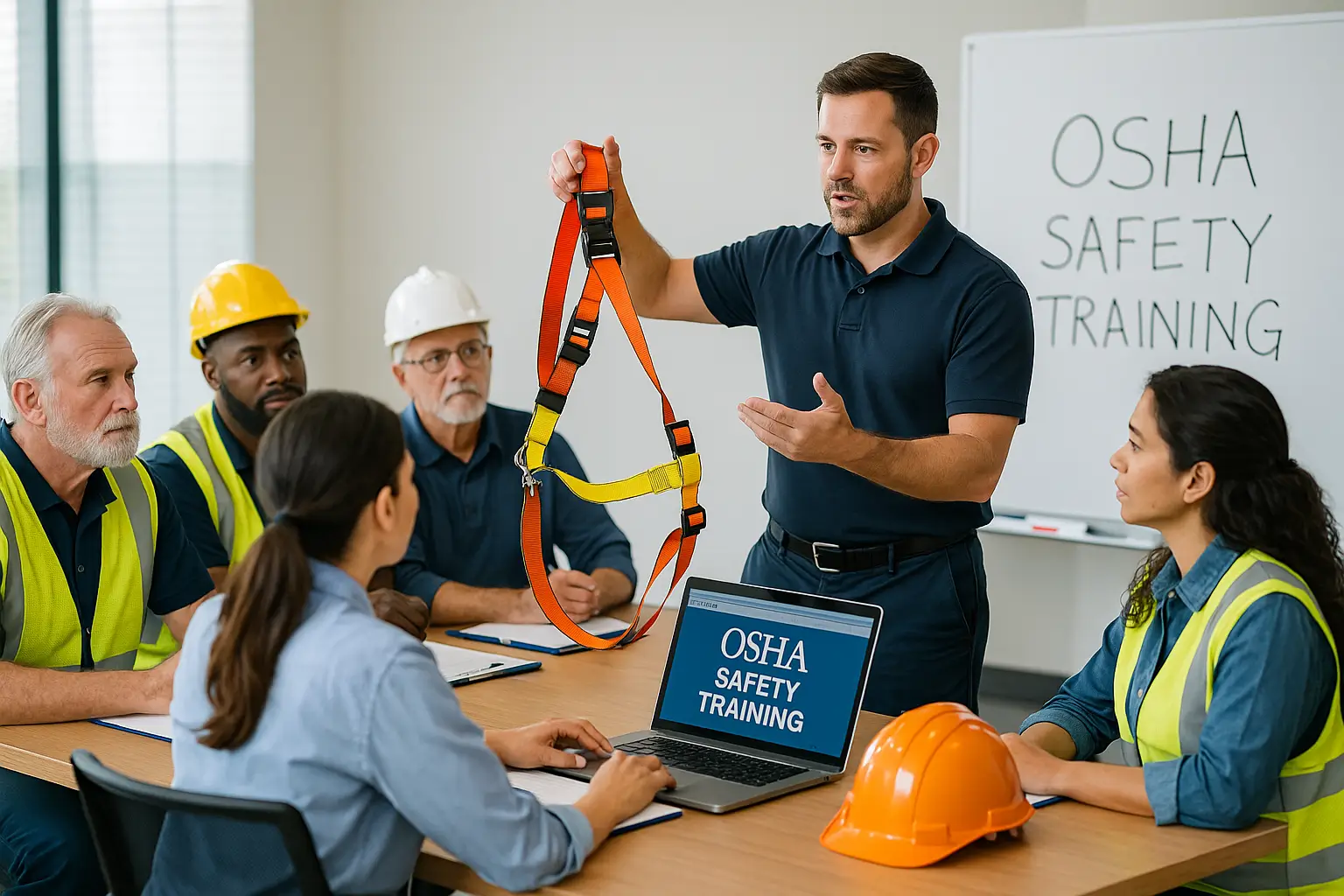
The Occupational Safety and Health Administration (OSHA) is a vital agency under the U.S. Department of Labor, created in 1971 through the Occupational Safety and Health Act of 1970.
Its purpose is to ensure every worker in America has a safe and healthy work environment, regardless of the industry or job type.
Since OSHA’s establishment, workplace fatalities have dropped by over 60%, and injuries and illnesses have fallen by 70% (OSHA Official Report). These statistics highlight how OSHA has saved thousands of lives by enforcing safety standards and promoting health awareness across all industries.
OSHA’s Mission and Role
OSHA’s mission is simple yet powerful: to protect workers from preventable workplace hazards.
The agency achieves this by:
Establishing safety standards for specific industries.
Conducting inspections and issuing penalties for violations.
Authorizing outreach training, education, and guidance.
Offering protection for whistleblowers under federal law.
In 2024 alone, OSHA conducted over 32,000 workplace inspections across high-risk sectors such as construction, manufacturing, and healthcare (DOL Enforcement Data).
OSHA Standards by Industry
Different industries face different safety challenges. OSHA regulations are divided into these main categories:
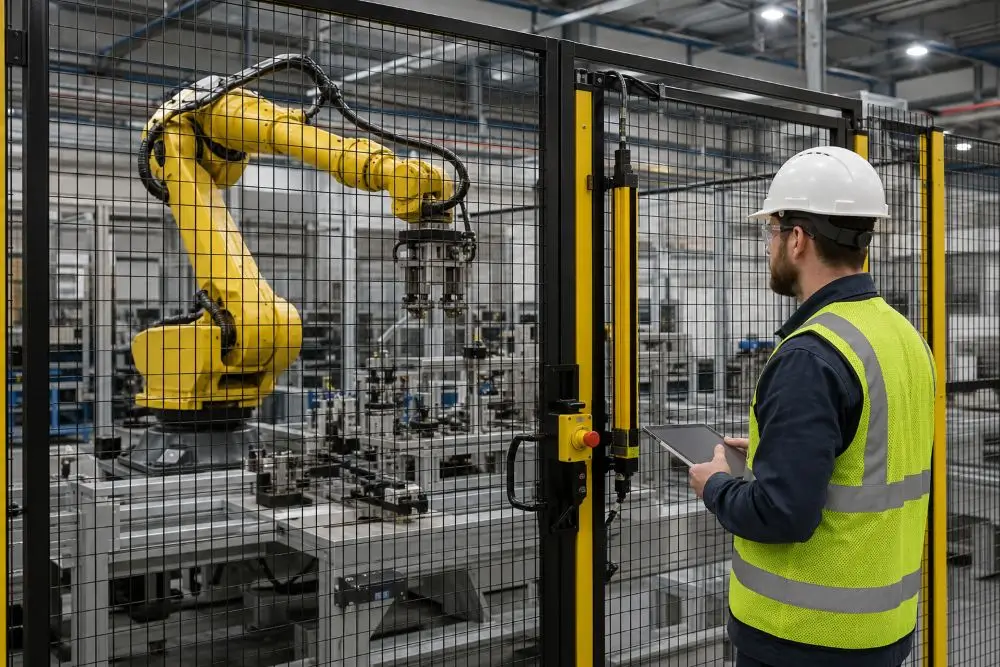
General Industry (29 CFR 1910): Covers manufacturing, healthcare, retail, and warehousing.
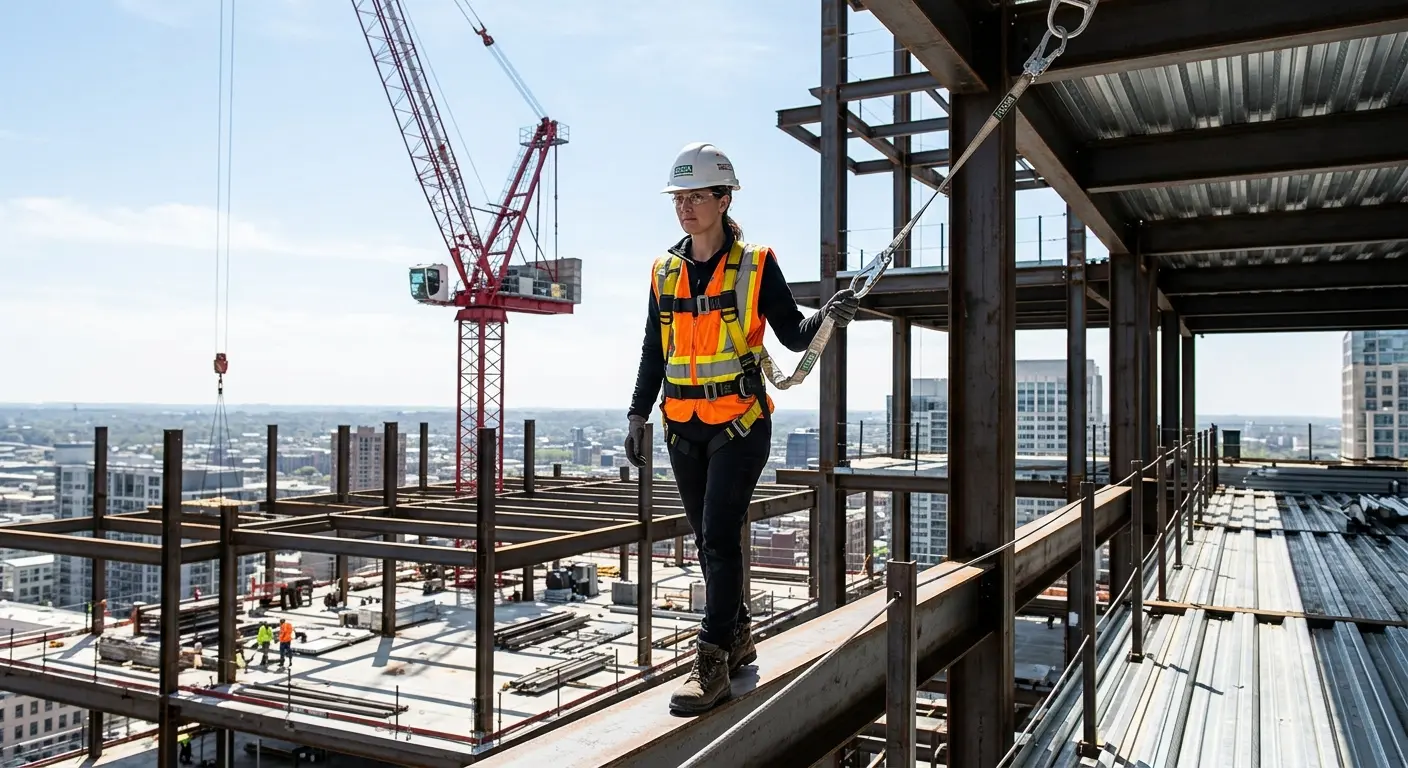
Construction (29 CFR 1926): Focuses on fall protection, scaffolding, electrical safety, and trenching.
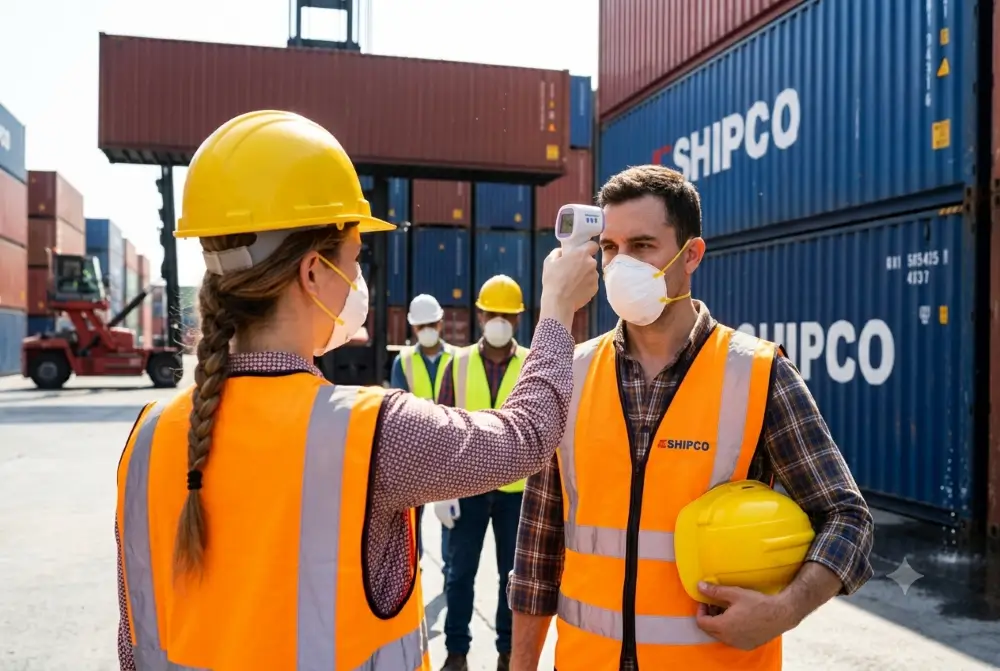
Maritime (29 CFR 1915 – 1918): Covers shipyard and port operations.
Agriculture (29 CFR 1928): Includes machinery, pesticide exposure, and worker housing.
Every employer must comply with the standards relevant to their operations to minimize risk.
The General Duty Clause
Even if a hazard isn’t covered by a specific OSHA standard, the General Duty Clause (Section 5(a)(1)) requires employers to maintain a workplace free of “recognized hazards likely to cause death or serious harm.”
This clause ensures no employer can ignore safety simply because a standard hasn’t been explicitly written yet.
OSHA Inspections and Enforcement
OSHA conducts both scheduled and unscheduled inspections. Reasons include:
Employee complaints about unsafe conditions.
Fatalities or severe injury reports.
Follow-up checks on previous violations.
Routine inspections in high-risk industries.
In 2024, OSHA increased its maximum penalty for serious violations to $16,131 per violation and for willful or repeated violations to $161,323 (Federal Register, 2024).
Employee Rights Under OSHA
Every U.S. worker is entitled to:
A safe and healthy workplace.
Training in a language they understand.
Access to workplace injury and illness logs.
Protection against employer retaliation for filing complaints.
Confidential or anonymous reporting of unsafe practices (OSHA Workers’ Rights).
If workers believe conditions are unsafe, they can file a complaint online, by mail, or by phone, and OSHA will inspect if necessary.
Training Requirements
It is recommended that employers provide training to all employees, including full-time, part-time, and temporary workers.
OSHA Outreach Training Programs:
OSHA 10-Hour Training:
Ideal for entry-level workers.
Covers core workplace hazards and worker rights.
OSHA 30-Hour Training:
Designed for supervisors and safety managers.
Provides in-depth safety management and hazard prevention education.
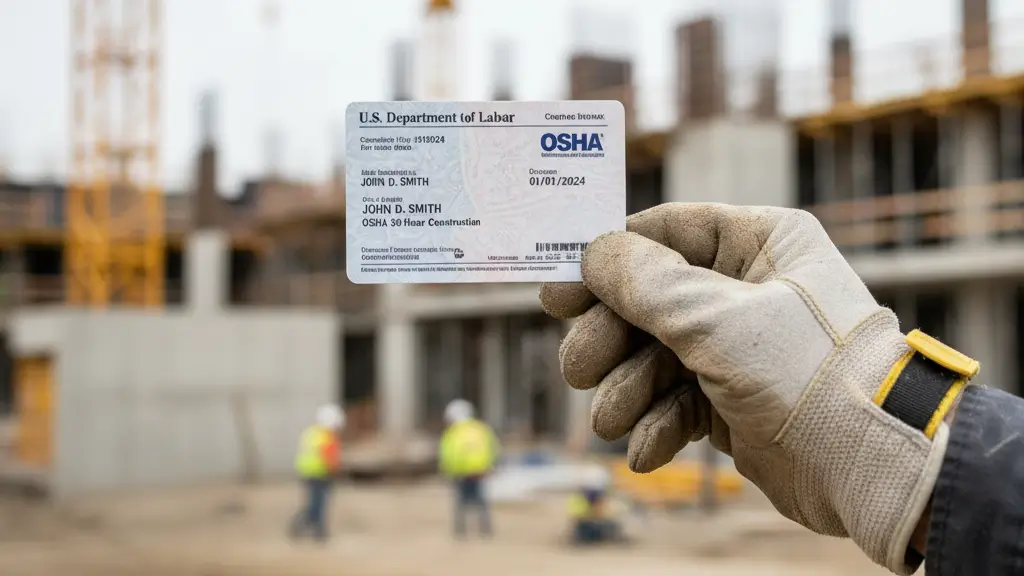
Upon completion, participants receive an official Department of Labor (DOL) OSHA card, proof of adherence, and safety awareness.
Why OSHA Training Matters
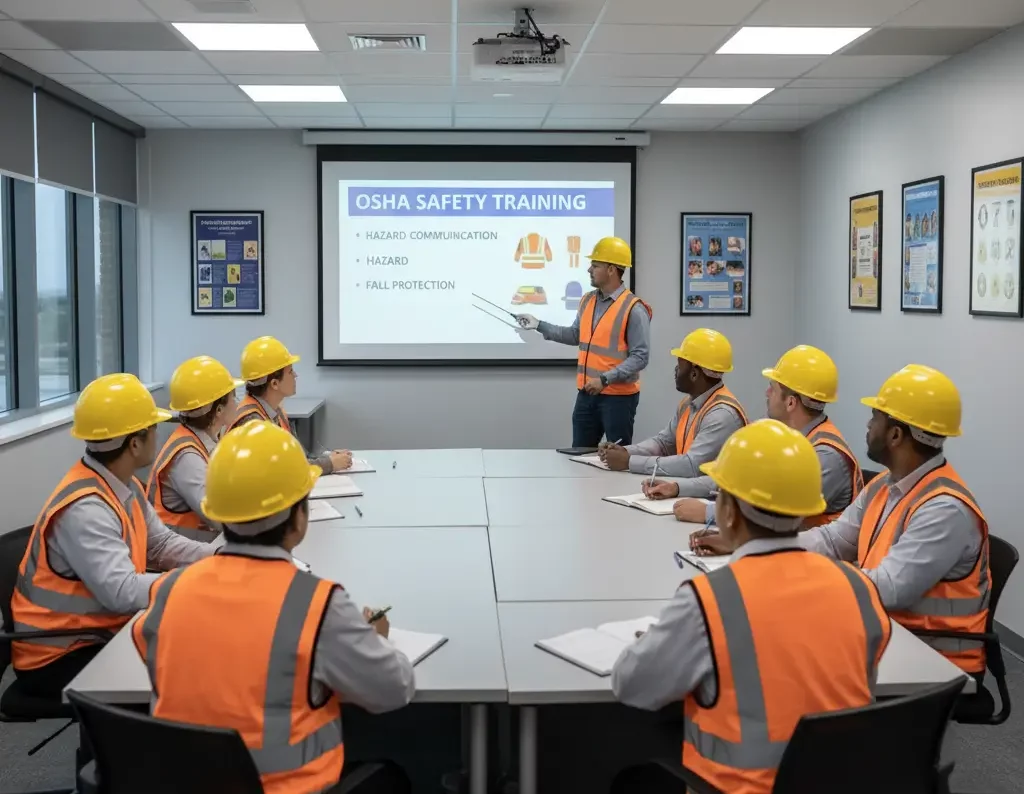
Proper OSHA training helps:
Prevent workplace injuries and fatalities.
Reduce company costs from accidents.
Improve productivity and morale.
Ensure adherence and avoid penalties.
Companies that prioritize safety and employee education perform better, retain talent longer, and avoid legal risks.
Conclusion
OSHA plays a crucial role in shaping the modern workplace. From establishing life-saving regulations to enforcing adherence, OSHA ensures every employee, whether on a construction site or in an office, returns home safely.
If you want to strengthen your team’s safety knowledge, adherence, and efficiency, consider OSHA-authorized online training.