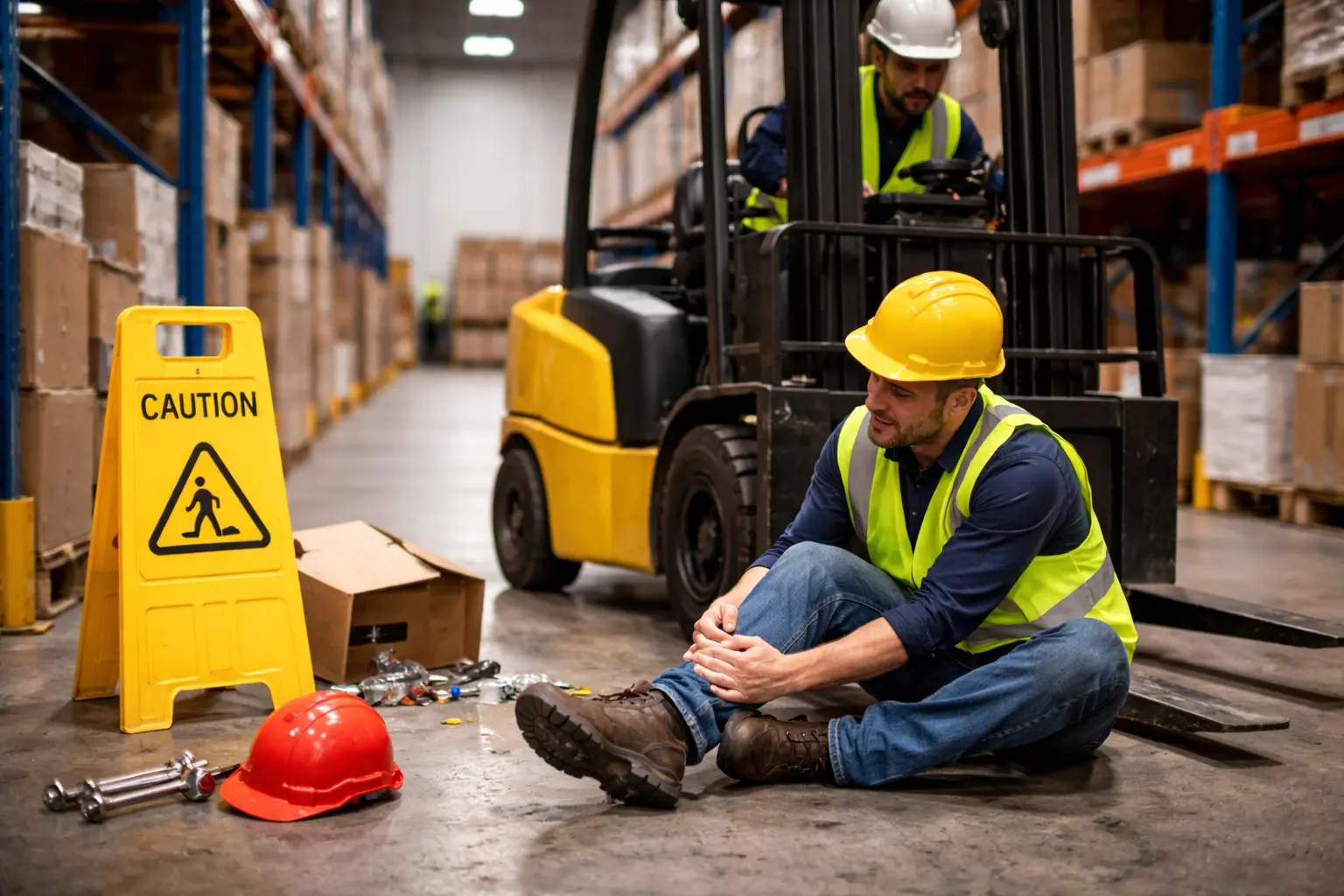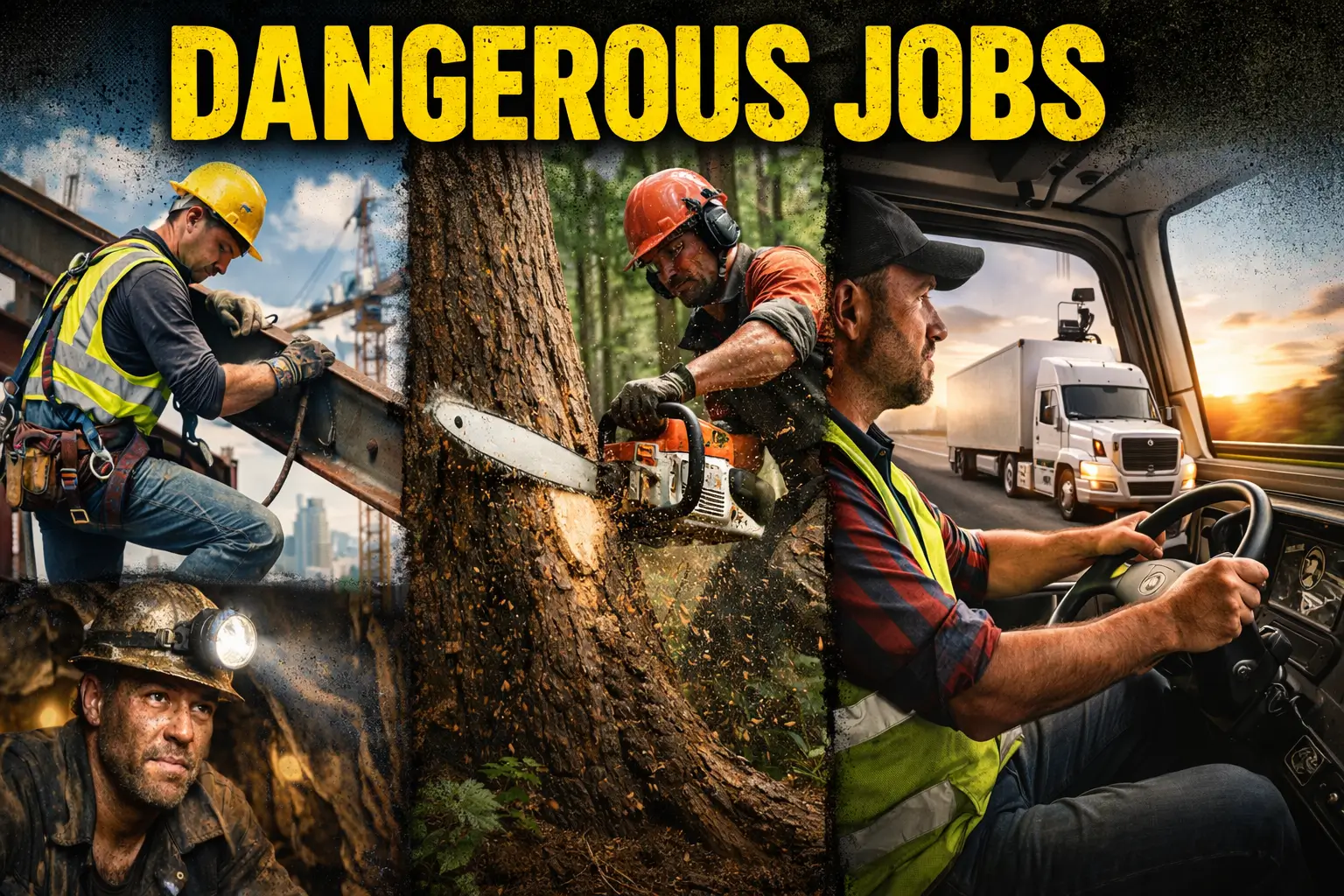
Workplace safety continues to be a major concern in the United States. It is estimated that 2.8 million to 5 million workers are injured every year in the United States.
High-risk industries expose employees to hazards such as falls, heavy machinery, electrical systems, and extreme environments.
The Occupational Safety and Health Administration (OSHA) plays a critical role in monitoring workplace injuries, illnesses, and fatalities through nationwide data collection and enforcement efforts.
By analyzing these statistics, OSHA identifies the most hazardous occupations and the leading causes of workplace incidents.
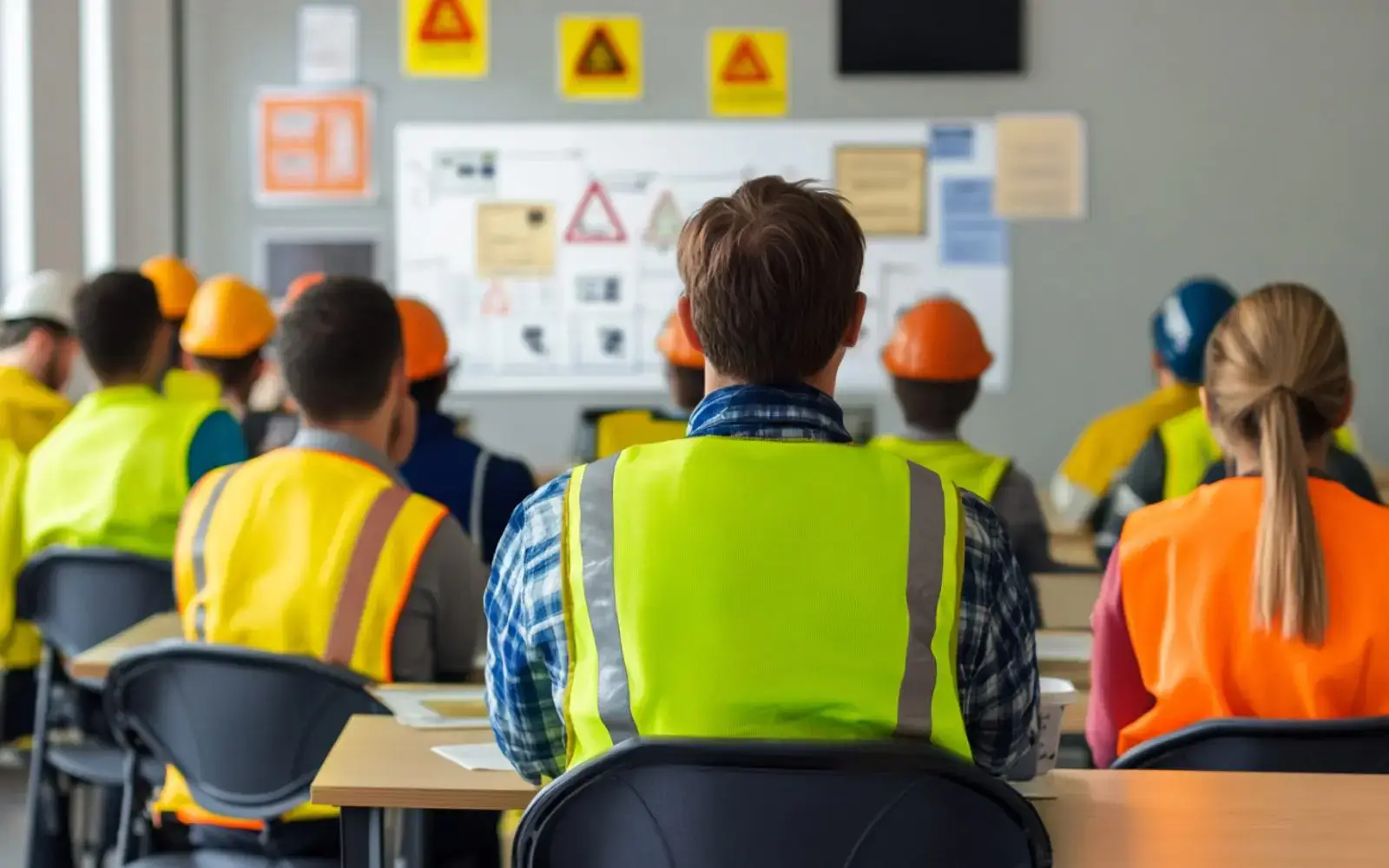
Understanding which jobs carry the highest risks helps employers strengthen safety programs and enables workers to recognize dangers before accidents occur.
Ultimately, awareness and compliance are key to reducing injuries and saving lives. Let’s explore the most dangerous jobs in the United States of America:
Construction Workers
Construction remains one of the most dangerous industries for workers. More than 170,000 construction workers are injured each year with around 1000 of these incidents resulting in a loss of life.
Workers regularly operate at heights, around heavy equipment, and in constantly changing job-site conditions, which increases overall risk.
According to the Occupational Safety and Health Administration (OSHA), the majority of fatal construction incidents fall under what is known as the “Fatal Four.”
- Falls from heights are the leading cause of death, often involving ladders, scaffolding, or unprotected edges.
- Struck-by incidents occur when workers are hit by moving vehicles, tools, or falling objects.
- Caught-in/between accidents – involve workers being trapped between machinery, materials, or collapsing structures.
- Electrocution – results from contact with overhead power lines, live wiring, or faulty electrical systems.
Together, these hazards account for most construction-related fatalities, making safety training, fall protection, and hazard awareness essential for reducing risks on jobsites.
Logging Workers
Logging is consistently ranked among the deadliest occupations in America due to its physically demanding nature and unpredictable work environment.
Workers often operate in remote forests, far from immediate medical assistance, while handling heavy machinery and falling trees.
These conditions significantly increase the likelihood of severe or fatal accidents.
- Tree felling – poses extreme danger, as falling trees and branches can strike workers with little warning.
- Heavy equipment operation – including skidders and loaders- raises the risk of rollovers and crush injuries.
- Remote work locations – make emergency response slower, increasing the severity of injuries when incidents occur.
It is estimated that 60 to 100 logging workers lose their lives every year. The job has a fatality rate of 98.9 to worker for over 100,000 workers, making it one of the most deadliest jobs for workers. This highlights the need for strict safety procedures, proper equipment maintenance, and continuous hazard assessment in this high-risk industry.
Roofers
Roofing is one of the most hazardous construction-related occupations due to constant work at elevated heights and exposure to harsh environmental conditions.
Even experienced roofers face daily risks from unstable surfaces, weather changes, and physical strain.
- Falls often occur from roof edges, ladders, or through skylights without proper guarding.
- Heat exposure is common, especially during summer months, increasing the risk of heat exhaustion and heat stroke.
- Slips on steep or unstable surfaces are frequent due to loose materials, moisture, or uneven structures.
OSHA places strong enforcement emphasis on fall protection requirements for roofers, including guardrails, safety nets, and personal fall arrest systems.
Fishing and Hunting Workers
Fishing and hunting-related occupations are consistently ranked among the most dangerous jobs in the U.S., largely due to unpredictable natural conditions and physically demanding work.
These workers often operate far from shore or medical help, which increases the severity of incidents. With fatality rate of 50.9 to 132.1 per 100,000 workers due sinking of boats, it is documented to be a deadly job.
Rough seas and unstable vessels increase the risk of falls overboard and vessel capsizing.
Extreme weather conditions, such as storms, freezing temperatures, and high winds, add constant danger.
Long shifts and fatigue reduce alertness, increasing the likelihood of accidents and injuries.
Comprehensive safety training, proper equipment use, and strong emergency preparedness plans play a critical role in reducing risks in this high-fatality occupation.
Agricultural Workers
Agricultural work, including farming and ranching, exposes workers to a wide range of hazards that can result in serious injuries or fatalities.
The combination of heavy equipment, chemical use, and animal handling makes this sector particularly dangerous, especially in rural settings.
Heavy machinery such as tractors and harvesters can cause rollovers, crush injuries, and entanglements.
Chemical exposure, including pesticides and fertilizers, poses long-term health risks if not handled properly.
Animal-related injuries occur from kicks, bites, or unpredictable behavior during handling. This industry has 18.6 to 23 deaths per 100,000 which well above the national average.
OSHA faces challenges regulating small and family-run farming operations, which can limit enforcement and leave many agricultural workers more vulnerable to workplace hazards.
Mining Workers
Mining remains one of the most dangerous occupations in the United States due to hazardous environments, heavy equipment, and exposure to toxic substances. Around 33 American miners lost their lives in 2025.
Both underground and surface mining operations involve high-risk tasks that can lead to severe injuries or fatalities if safety controls fail.
According to the Occupational Safety and Health Administration (OSHA) and the Mine Safety and Health Administration (MSHA), strict safety standards are essential to reduce these risks.
Cave-ins pose a constant threat in underground mines, often caused by unstable rock formations or inadequate support systems.
Explosions may occur due to methane gas buildup, blasting operations, or combustible dust.
Moreover, respiratory risks arise from prolonged exposure to coal dust, silica, and other airborne contaminants, leading to serious lung diseases.
OSHA and MSHA enforce comprehensive safety requirements, including ventilation standards, ground control plans, and regular inspections to protect mining workers.
Transportation and Delivery Workers
Transportation and delivery workers face growing safety risks as demand for freight, logistics, and rapid delivery services continues to rise. The profession has 13.6 deaths per 100,000, which puts it on the list of deadly professions.
Long hours on the road, tight schedules, and increased traffic exposure contribute to higher injury and fatality rates in this sector.
Vehicle accidents remain the leading cause of serious injuries and deaths among transportation workers.
Fatigue and long working hours reduce reaction time and increase the likelihood of crashes. Traffic exposure puts drivers at risk during loading, unloading, and roadside stops.
Rising e-commerce and delivery demands have intensified these hazards, making driver safety training, rest policies, and vehicle maintenance critical for reducing incidents in transportation and logistics jobs.
Conclusion
Understanding the most dangerous jobs in America highlights the importance of robust workplace safety practices and compliance with OSHA standards.
Industries like construction, logging, roofing, mining, agriculture, fishing, and transportation face unique hazards that can lead to serious injuries or fatalities.
Employers must prioritize training, hazard mitigation, and safety protocols, while workers should remain aware of risks and follow best practices.
By focusing on prevention, proper equipment, and regulatory compliance, both employers and employees can reduce accidents, save lives, and foster a safer work environment across the nation.